The Silent View
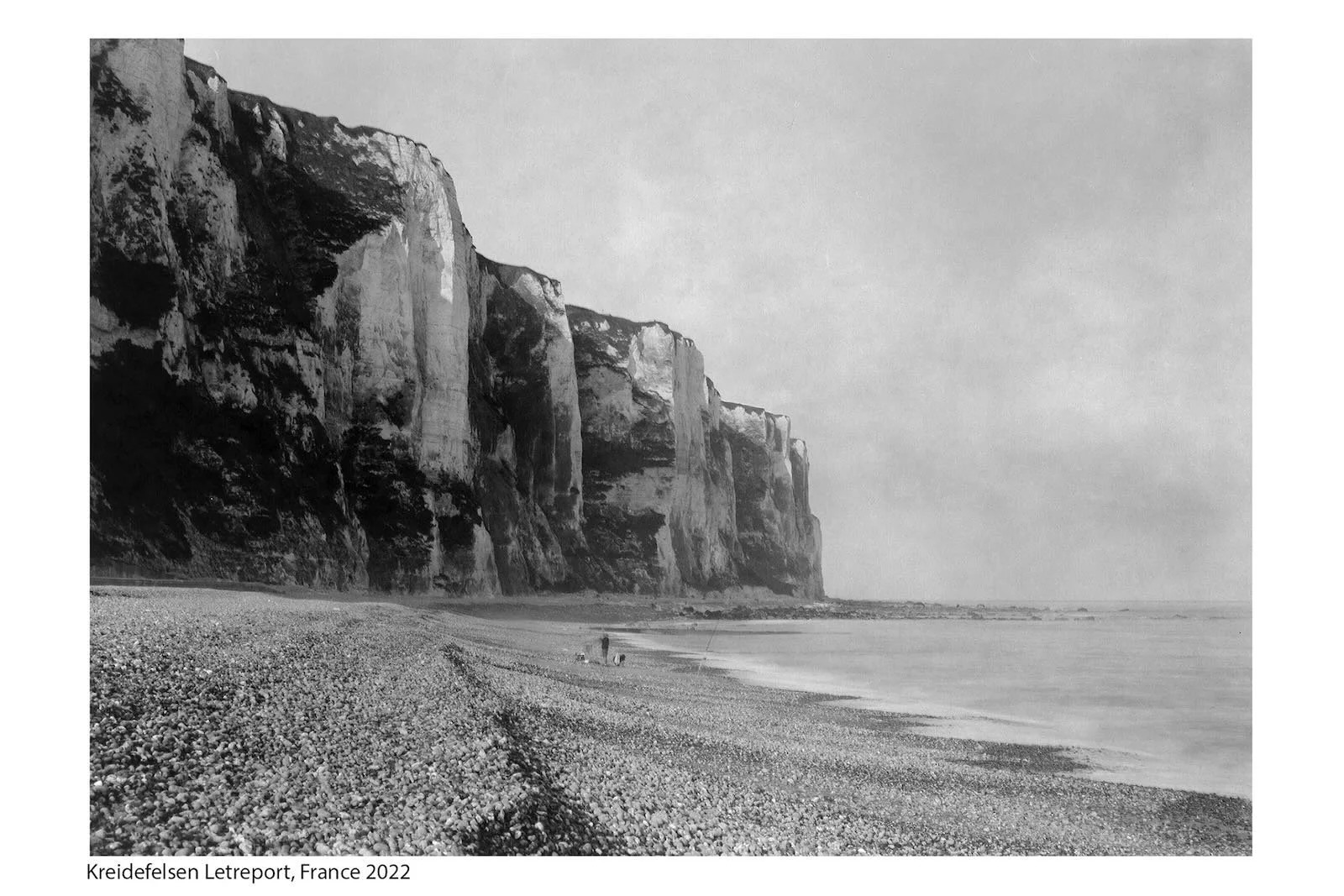
Rock Bank, 100 x 130 cm, Le Tréport 2023
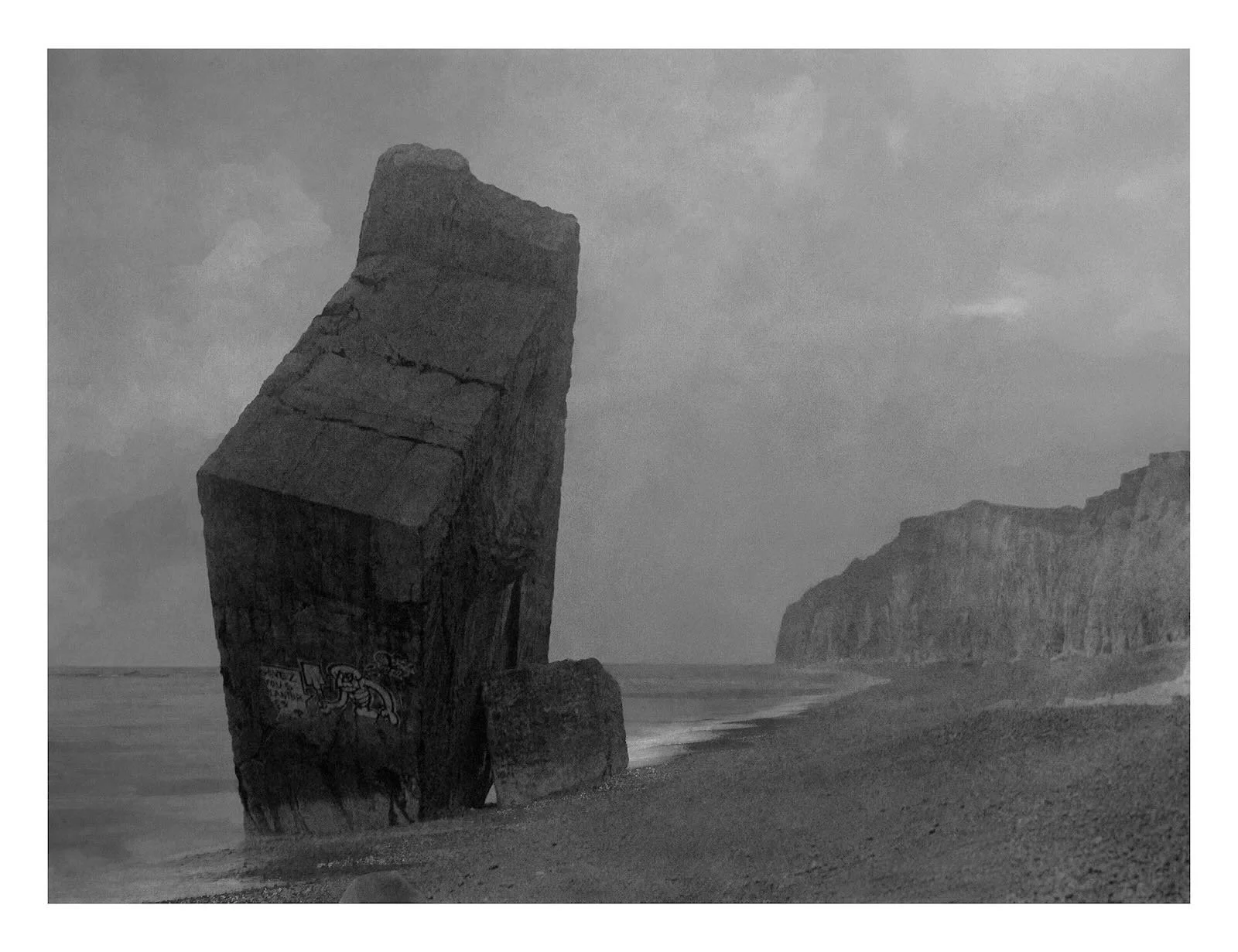
Fallen Bunker, 100 x 130 cm, Sainte-Marguerite-sur-Mer 2023
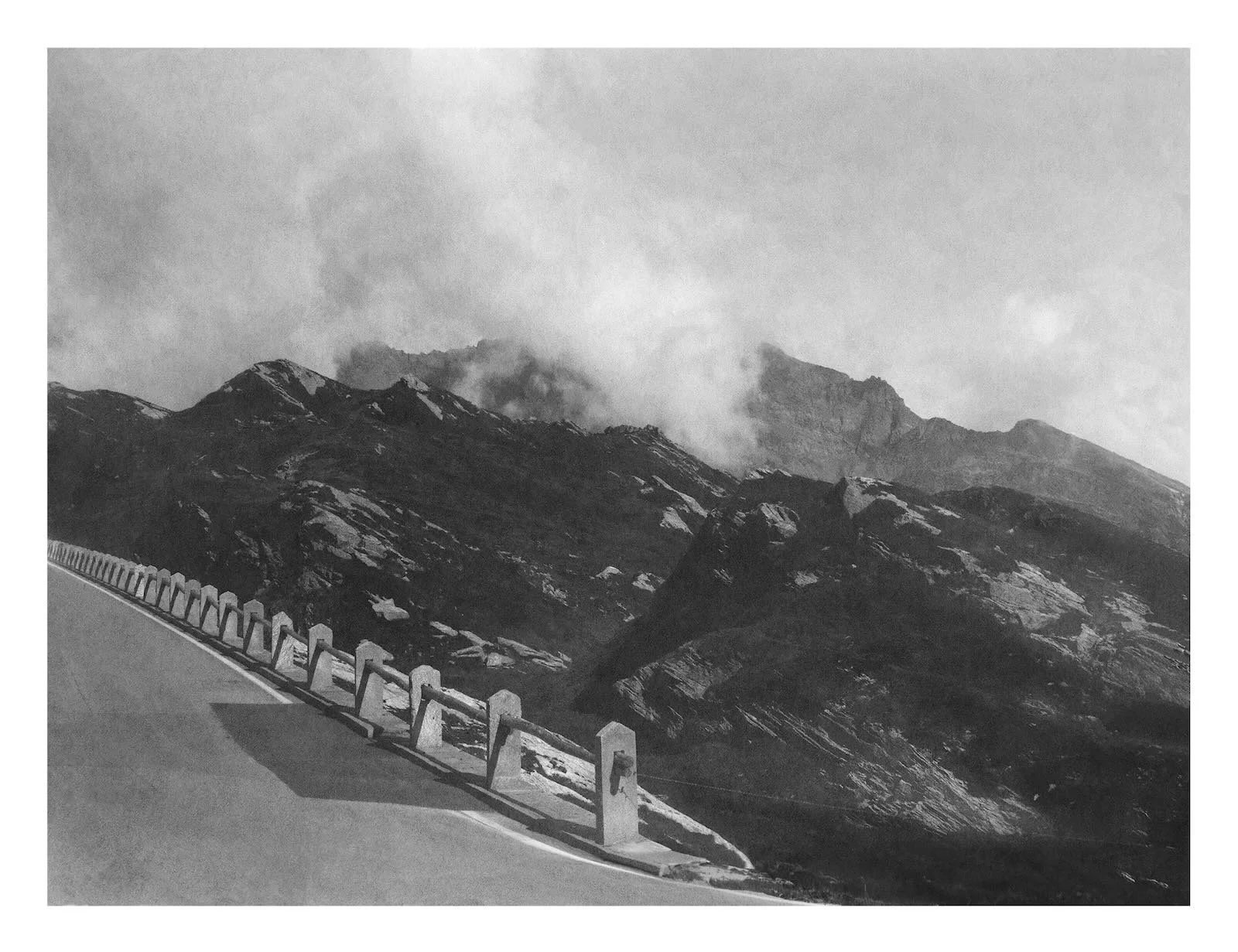
San Bernadino, 100 x 130 cm, Italy 2023
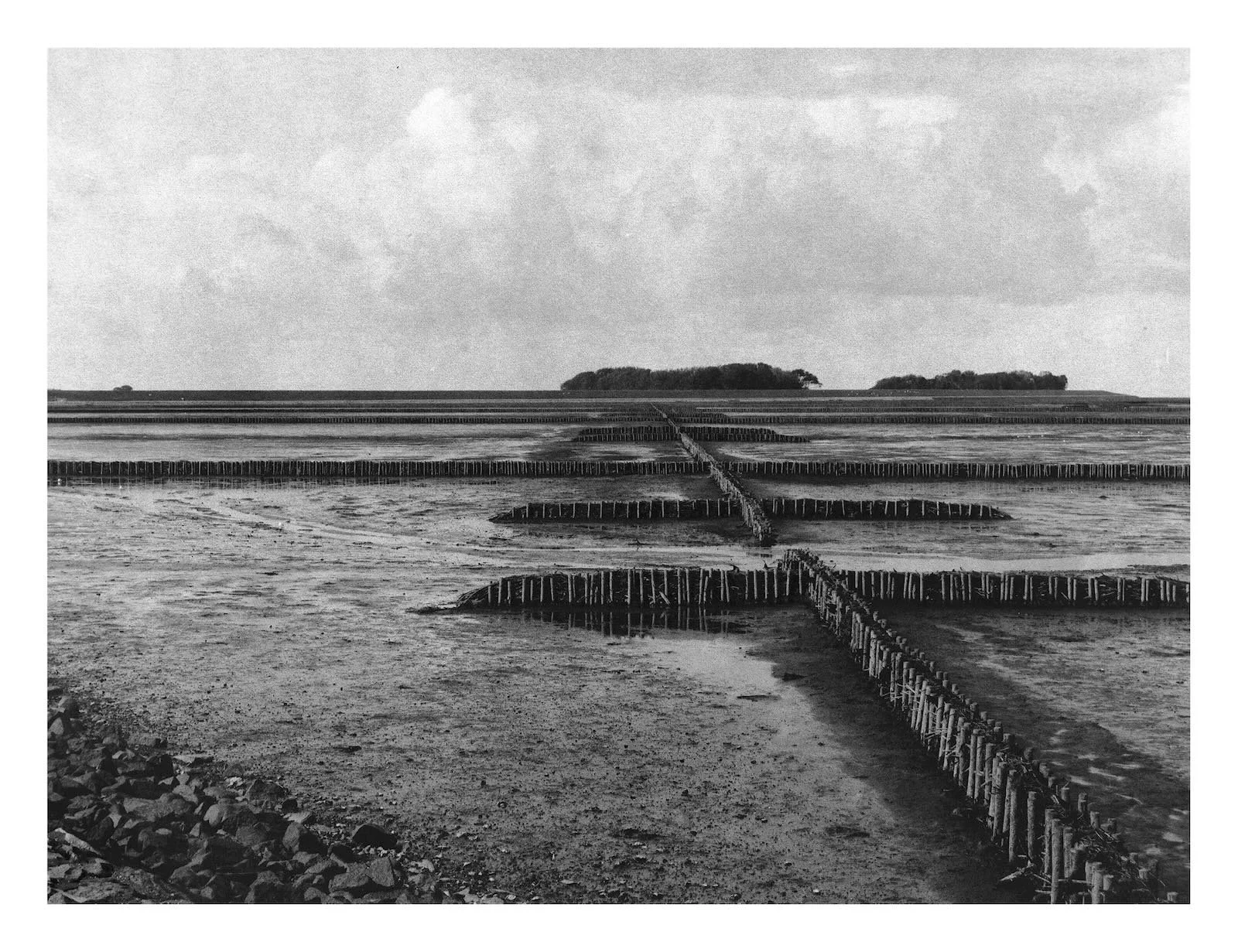
Fishing Ponds 4, 100 x 130 cm, Föhr 2024
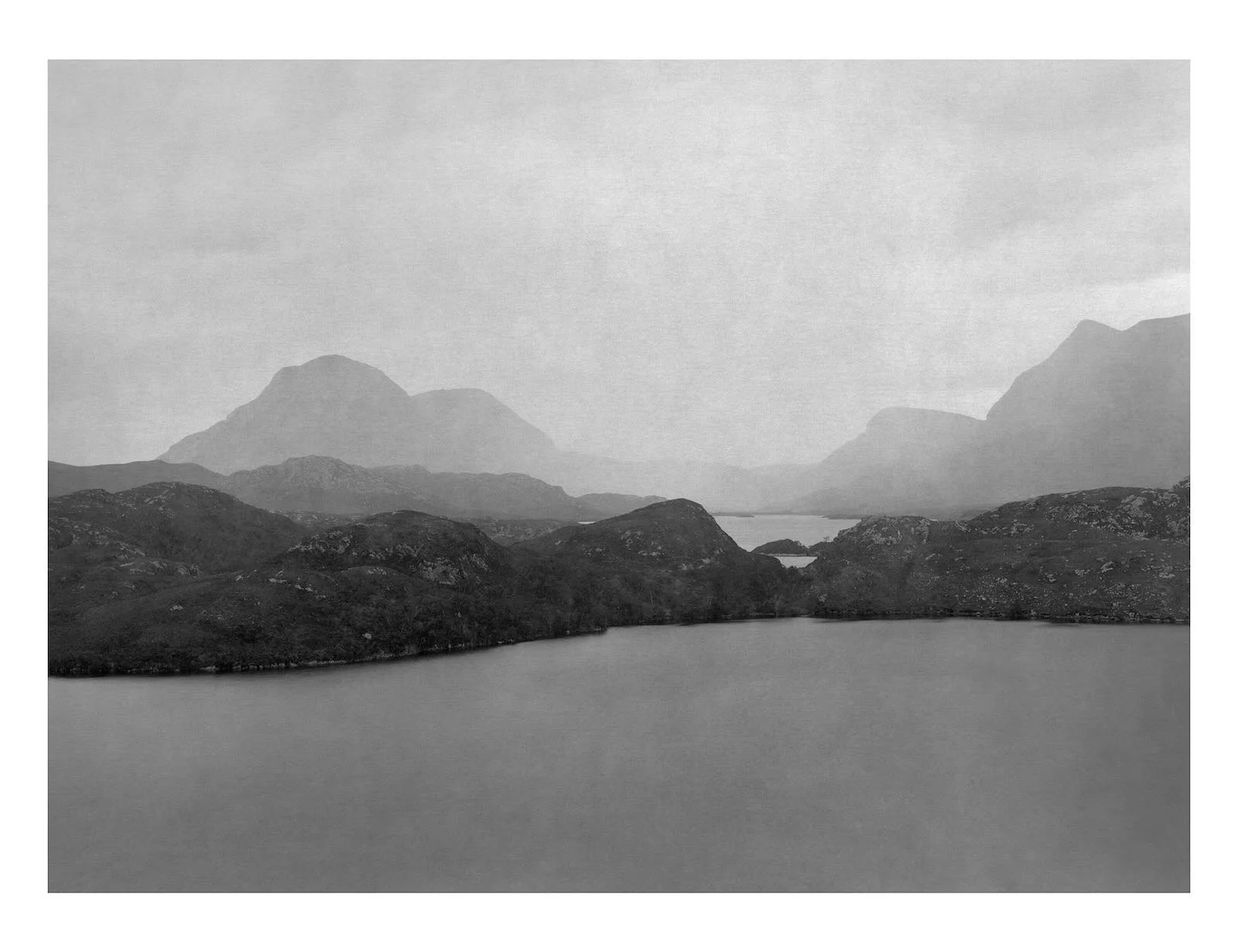
Loch Maree Highlans, 100 x 130 cm, Scotland 1997
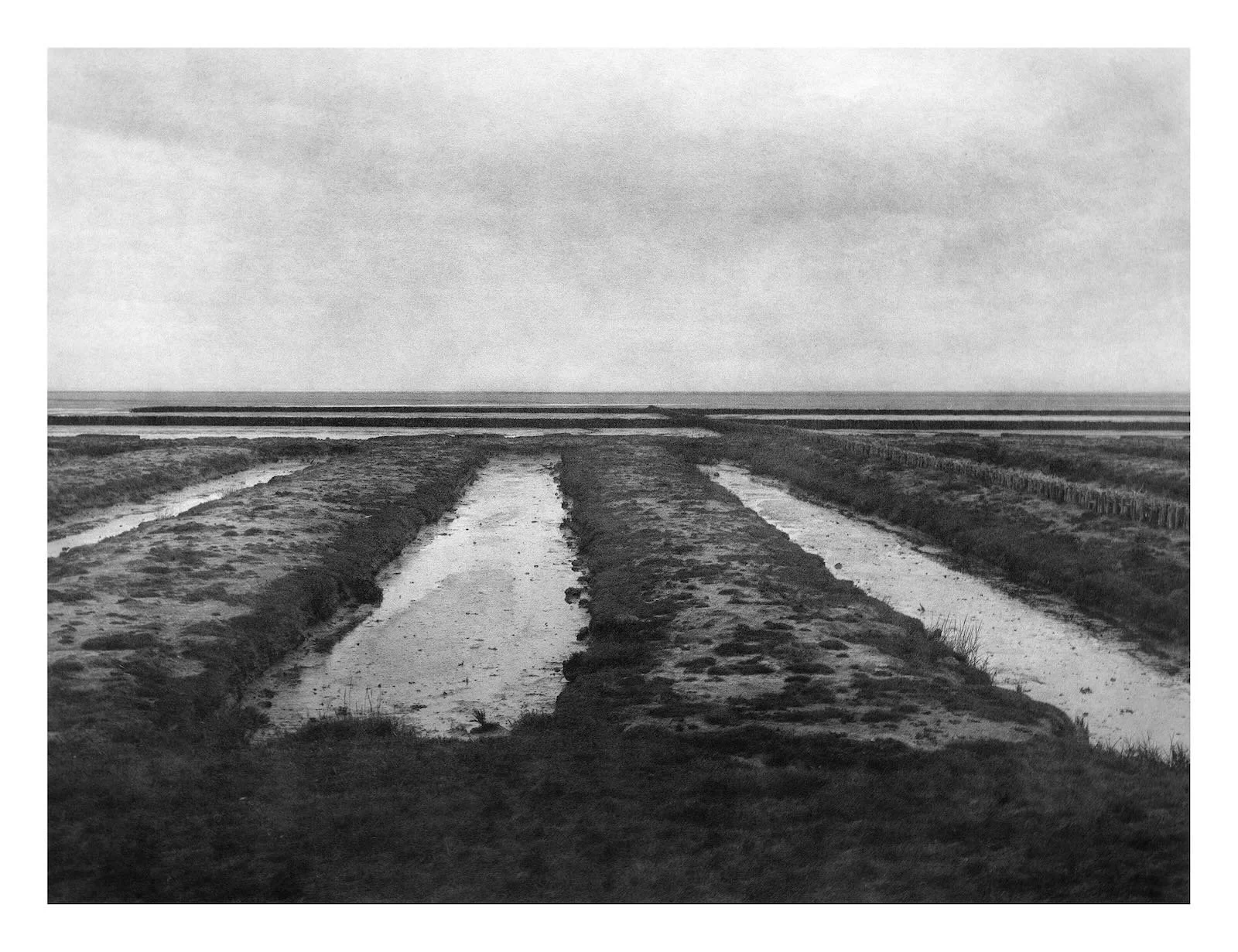
Wattenmeer 7, 100 x 130 cm, Föhr 2024
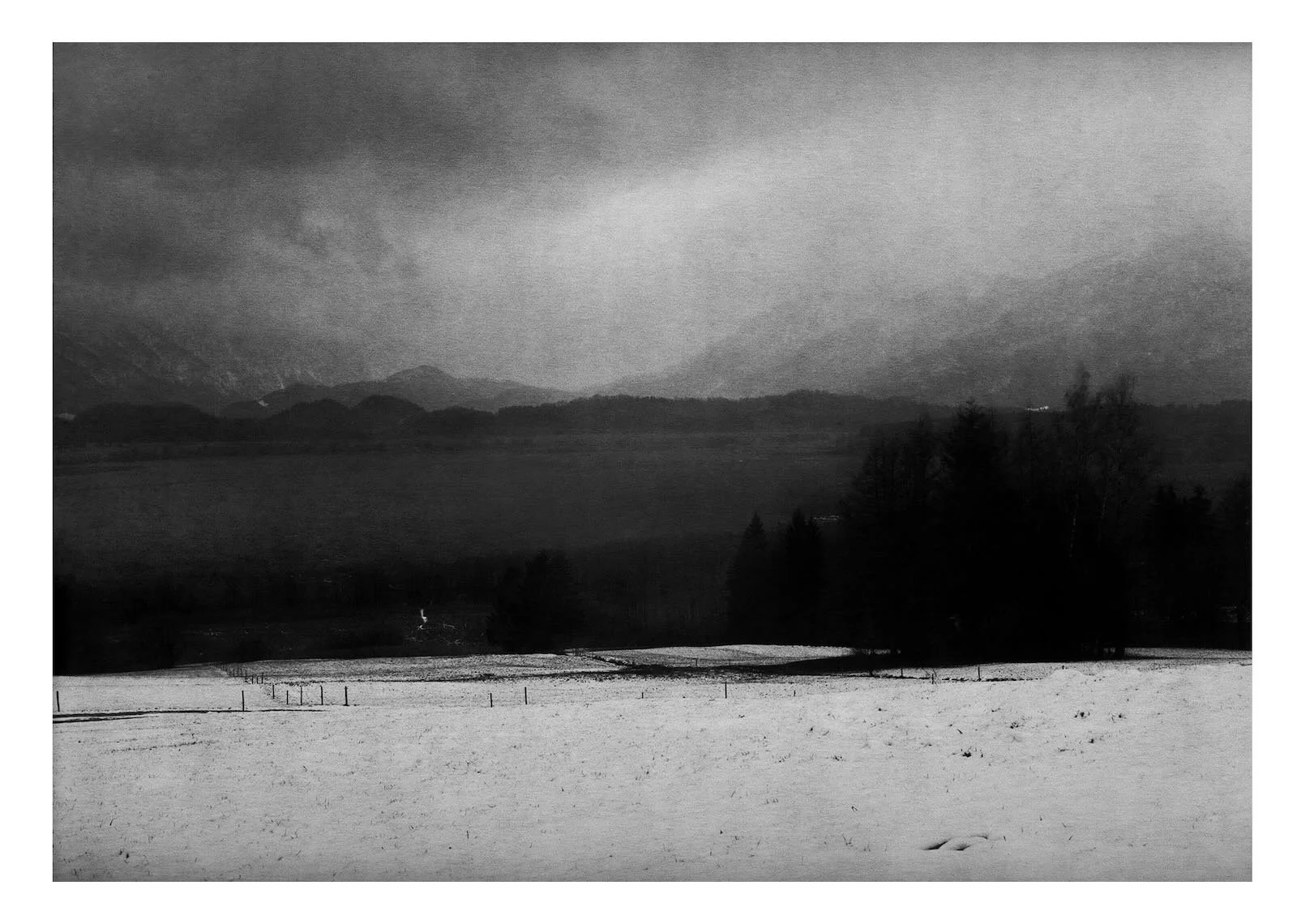
Murnauer Moos, 100 x 130 cm, Bavaria 2004
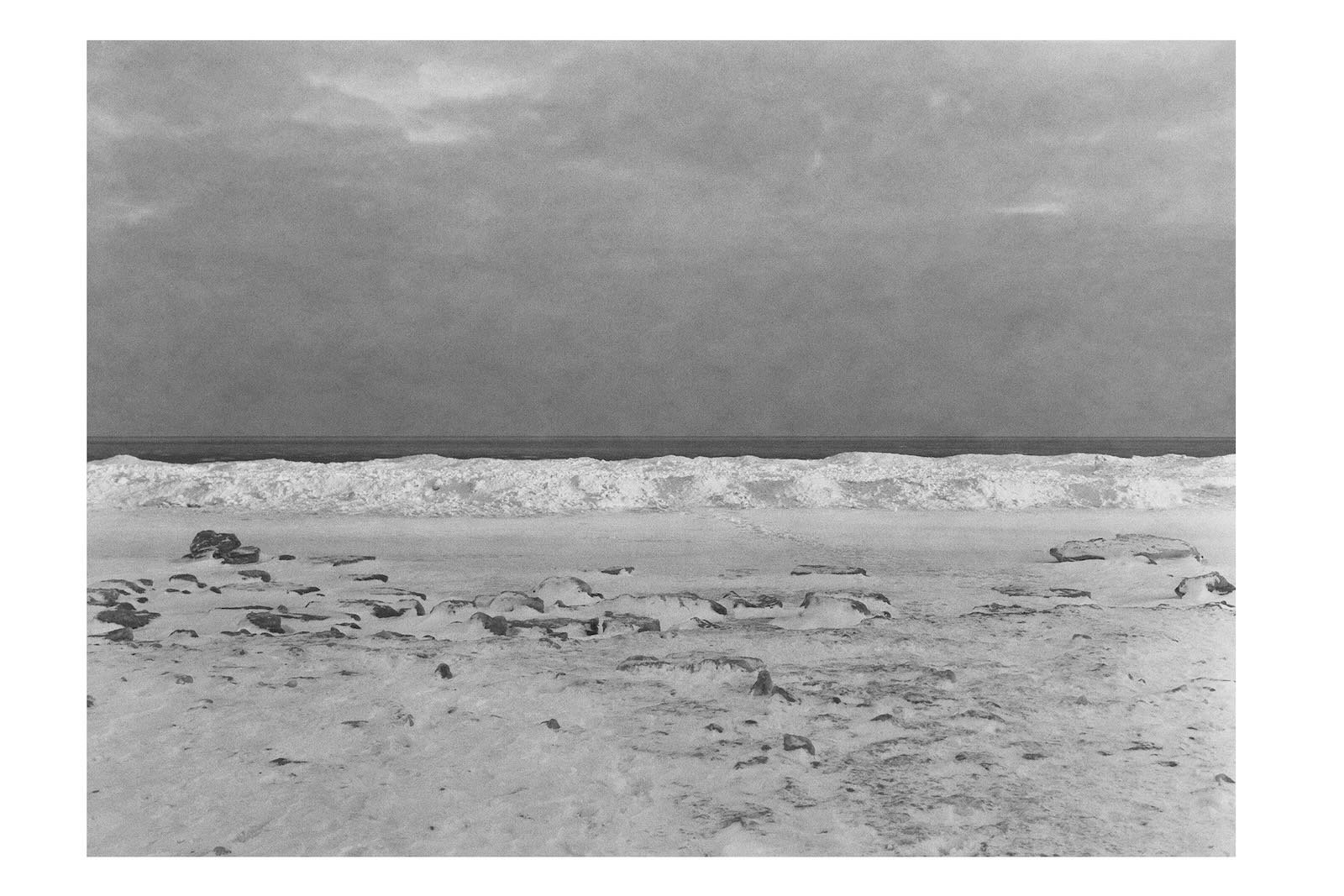
Frozen Baltic See, 100 x 130 cm, Jurmala 2016
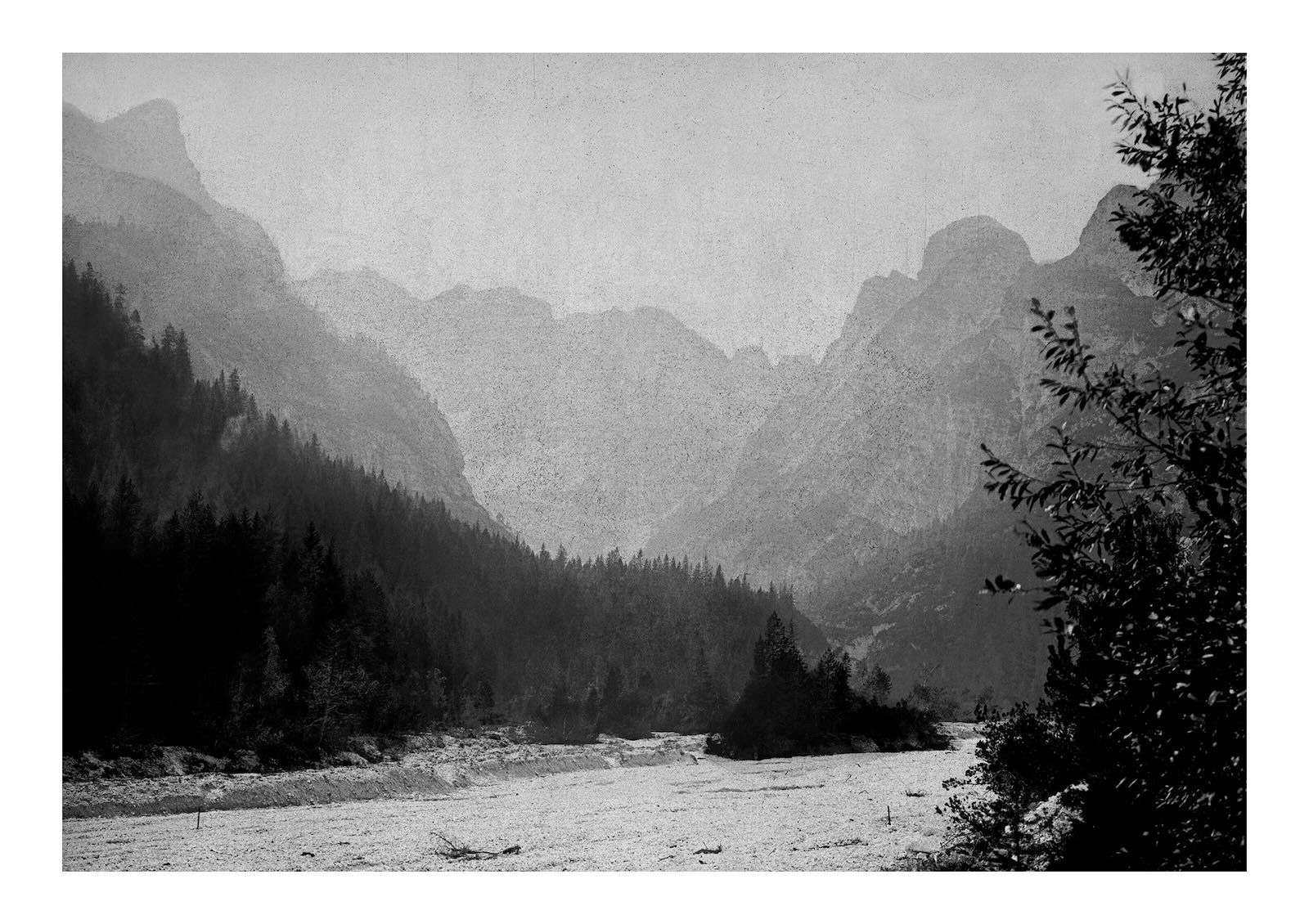
Dolomites, 100 x 130 cm, Italy 1998
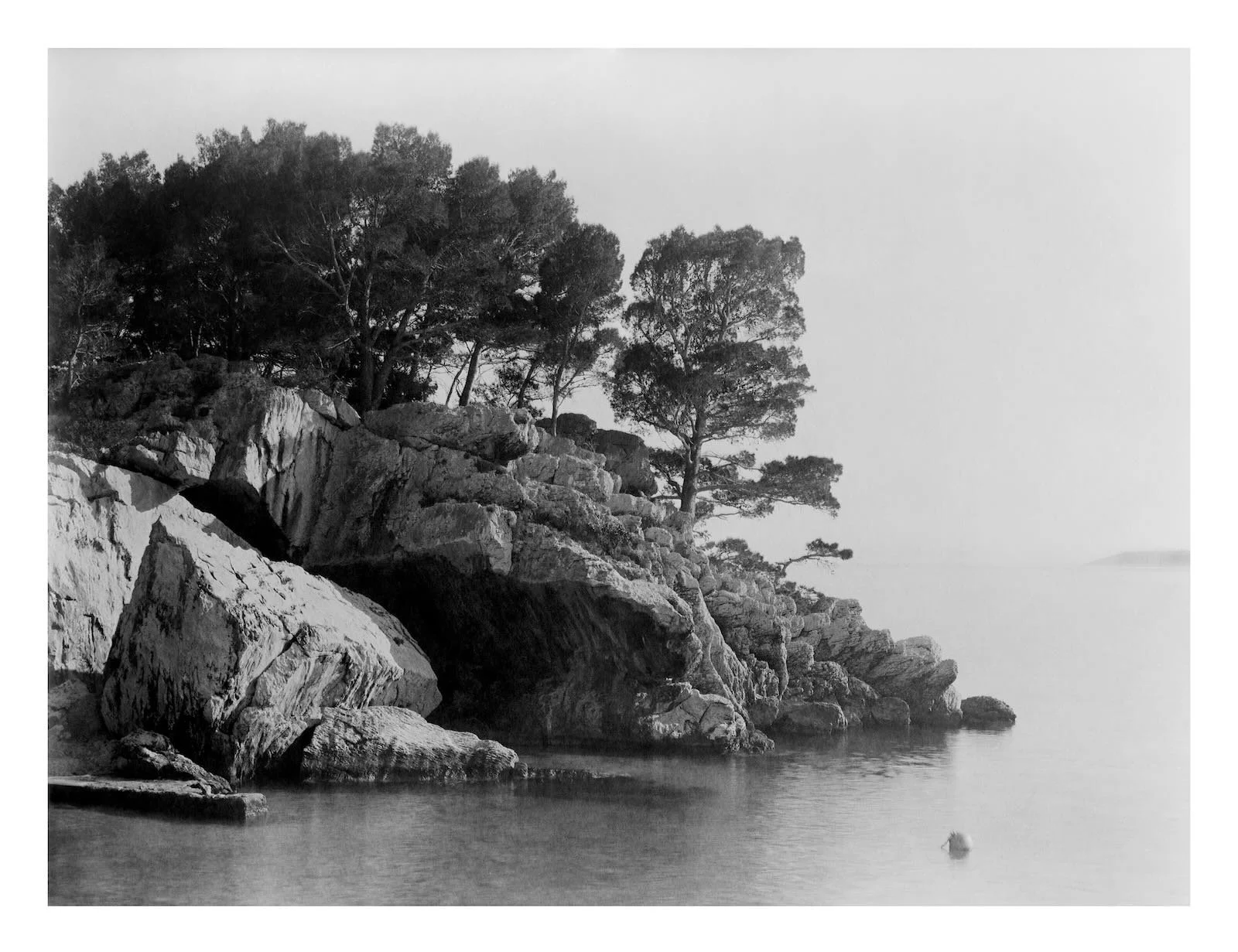
Brela Beach, 100 x 130 cm, Croatia 2023
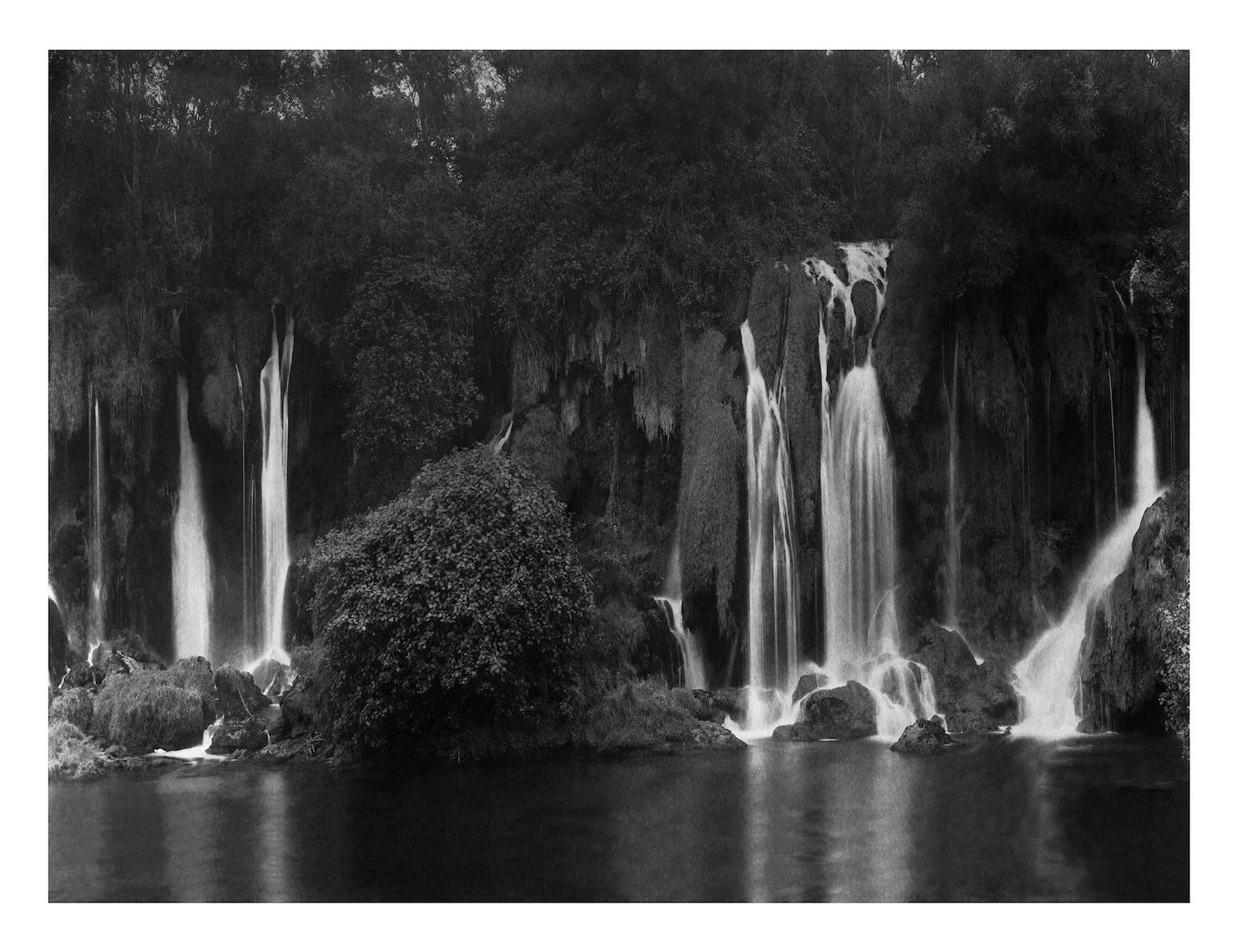
Kravice Falls, 100 x 130 cm, Bosnia-Heregovina 2023
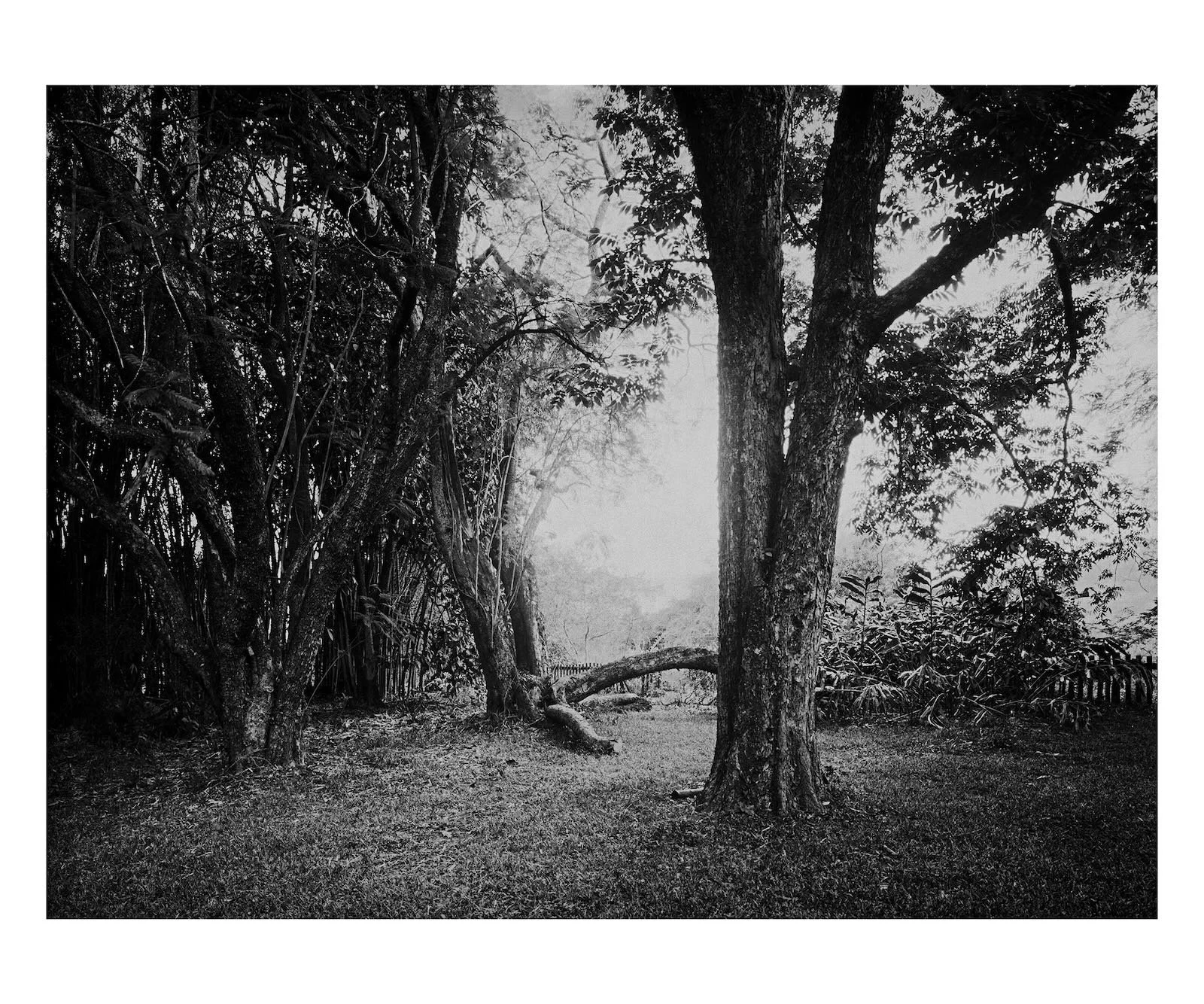
Mae´s Garden 1, 100 x 130 cm, South Africa 2001
The Silent View
In the basement of an old house, I discovered a large format camera from the 1930s, rigidly mounted on a steel frame. At a flea market, I later found a matching 21-inch lens for the 30 x 40 cm negative format. After several modifications, I managed to reduce the camera’s weight from 52 to 35 kg, making it just manageable enough to travel with.
Since no film was produced in this format in Europe, I used fibre-based Baryta paper as negatives. Its sensitivity gap for red and green light means that only the blue rays of the spectrum shape the image — producing dramatic black, grey, and white renderings of architectural, industrial, and natural landscapes.
These pictures reveal something invisible to the human eye. Even under a grey, hazy sky, deep shadows betray the presence of bright sunlight — a quiet testimony to a world perceived differently than we see it.
I carried the camera through Europe, Asia, and Africa. During a three-week trek around the Annapurna massif and across the Thorong La pass, it was our sherpa who shouldered it — mostly in flip-flops. Today, as the wooden camera has grown too heavy for long journeys, I travel with my Sinar Norma 5x7 and 8x10 large format cameras instead.
Even after many years, the process still excites me — because I never know exactly what will appear: whether the mountains will rise in the background, whether sea and sky will part at the horizon, or whether the far bank of the river will emerge from the silence.