Balance de Movement
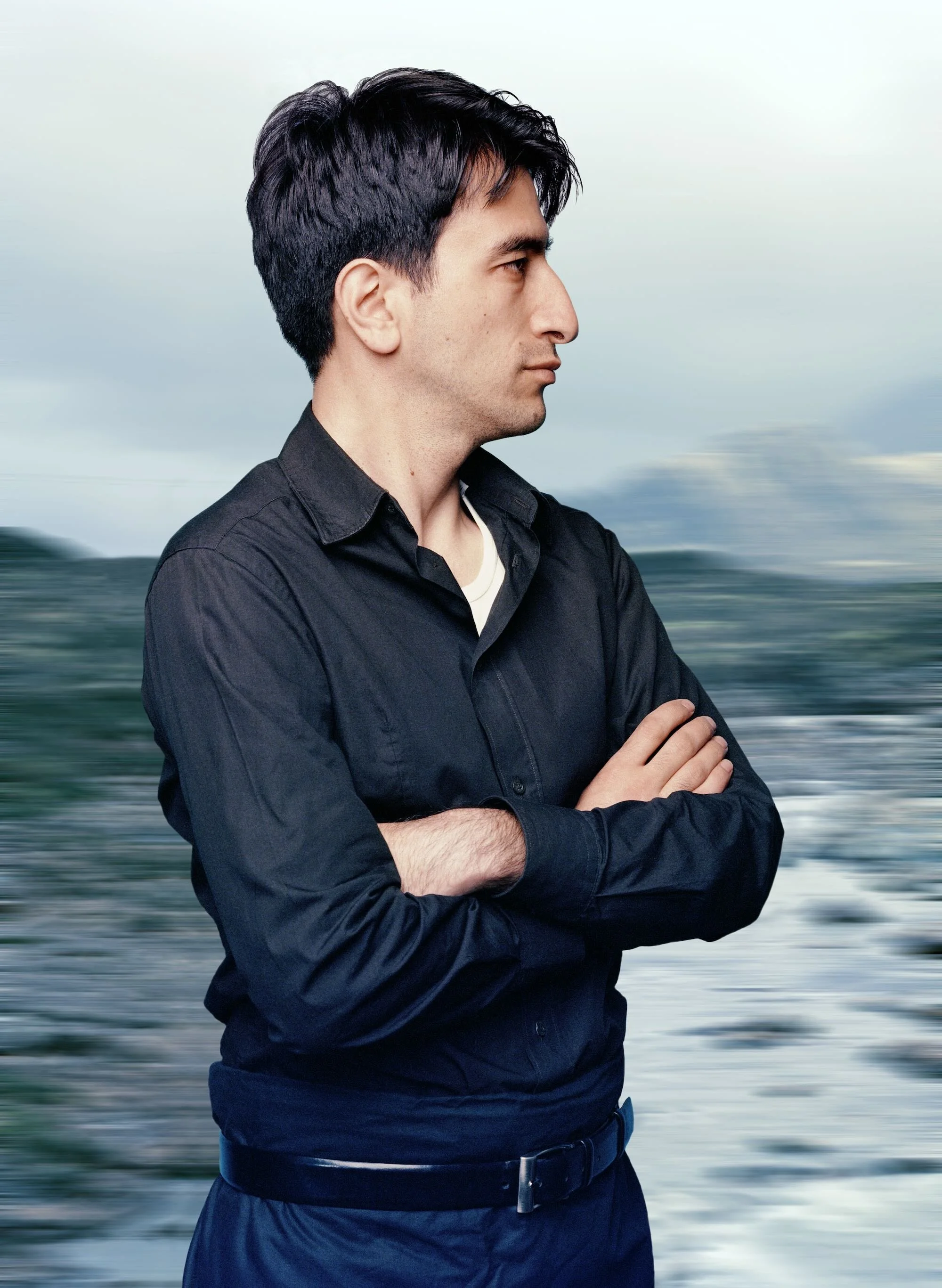
Balance de Mouvement 9, Ishan, 160 x 120 cm, 1998
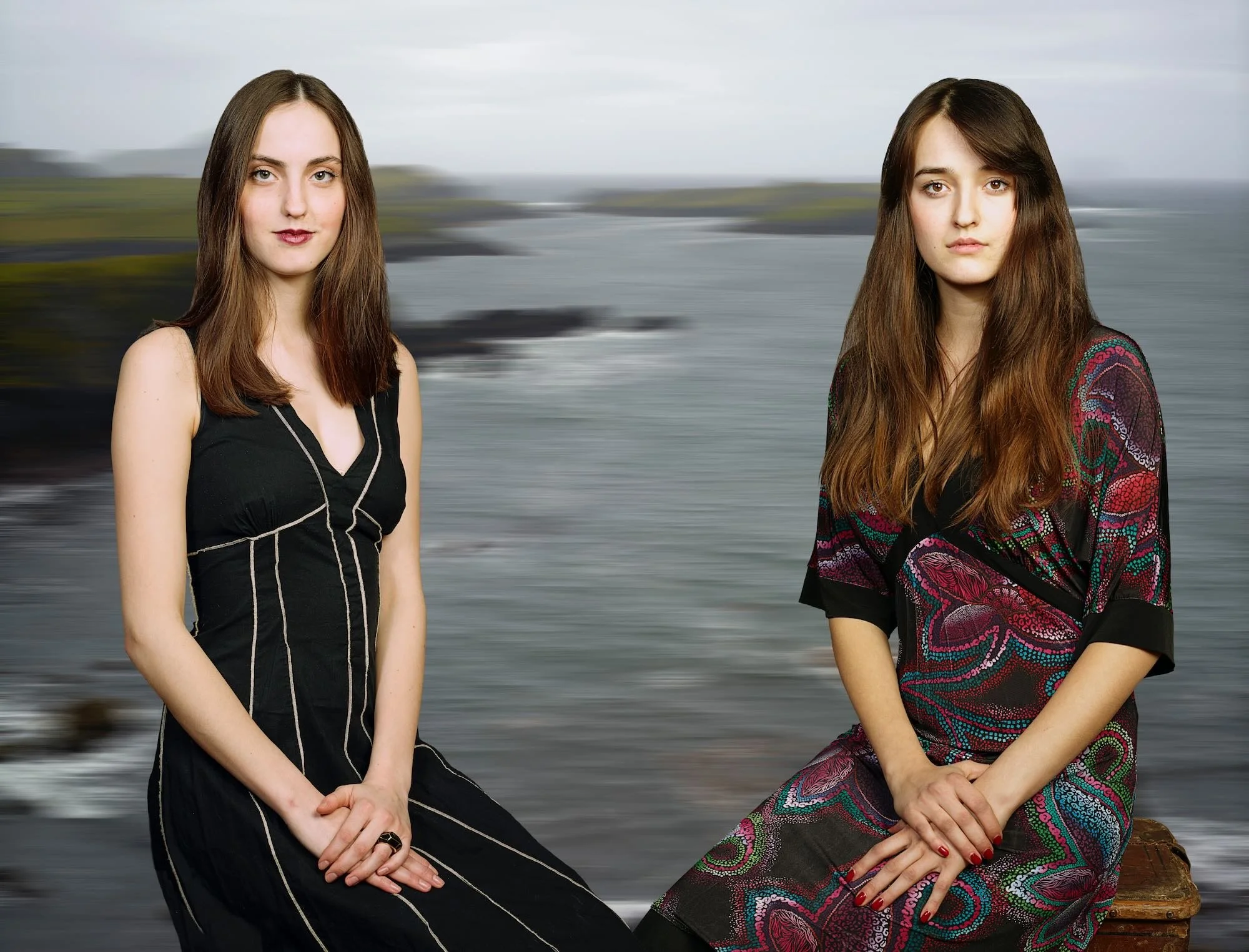
Balance de Mouvement 17, Hanna and Klara, 210 x 140 cm, 2012
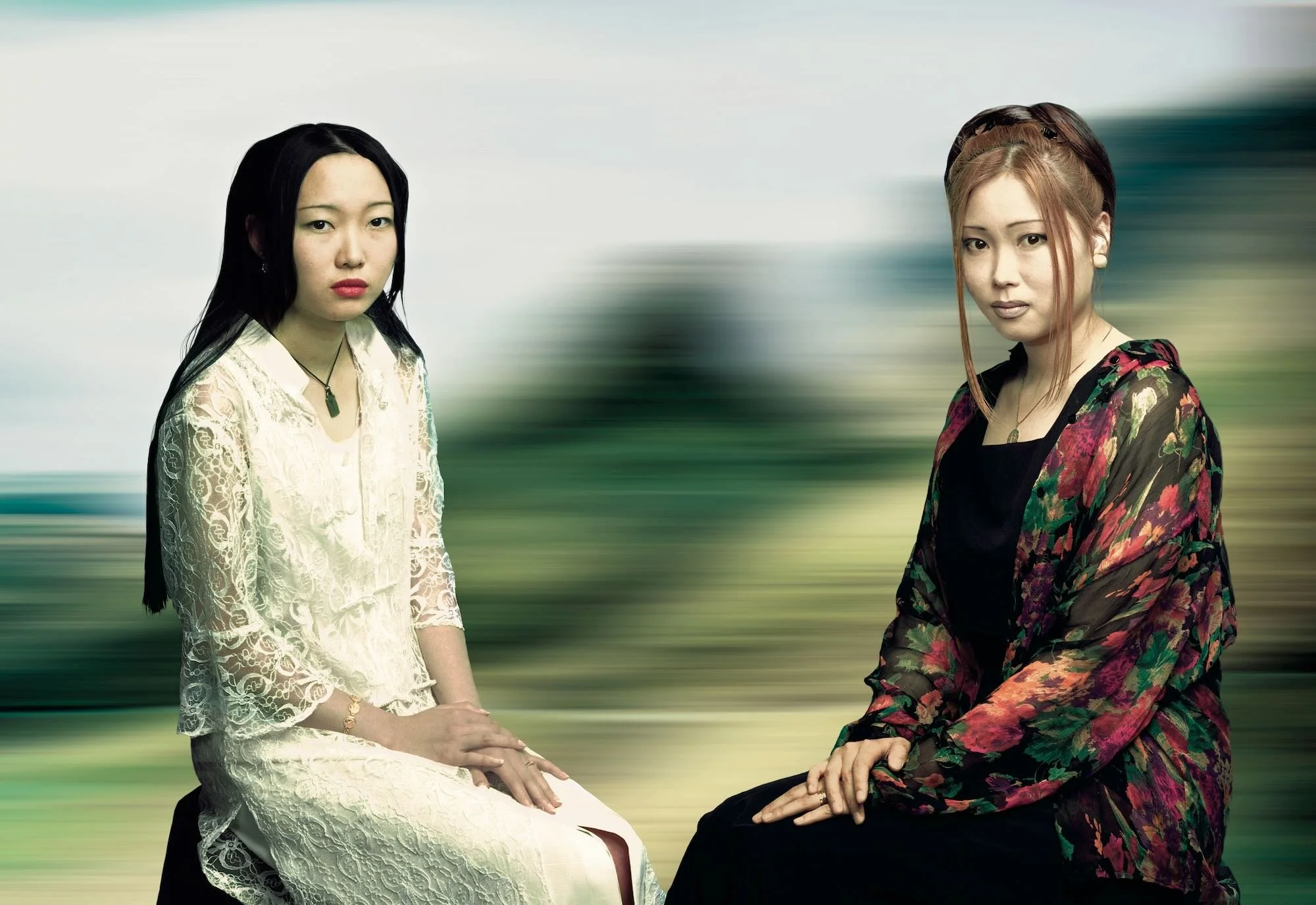
Balance de Mouvement 19, Lucy and Jane, 210 x 140 cm, 1996
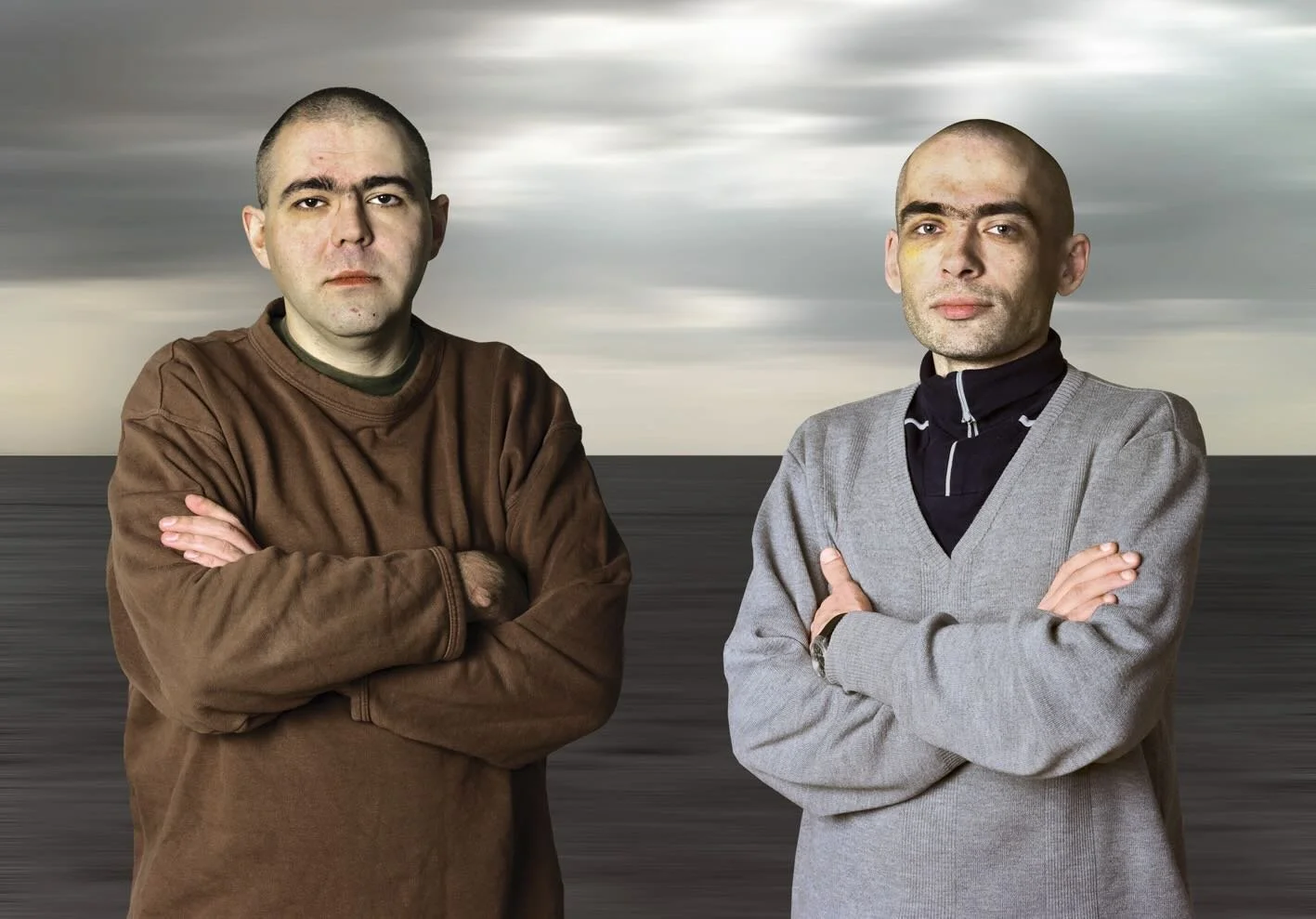
Balance de Mouvement 16, Denis & Dimitri, 210 x 140 cm, 1996 Denis & Dimitri
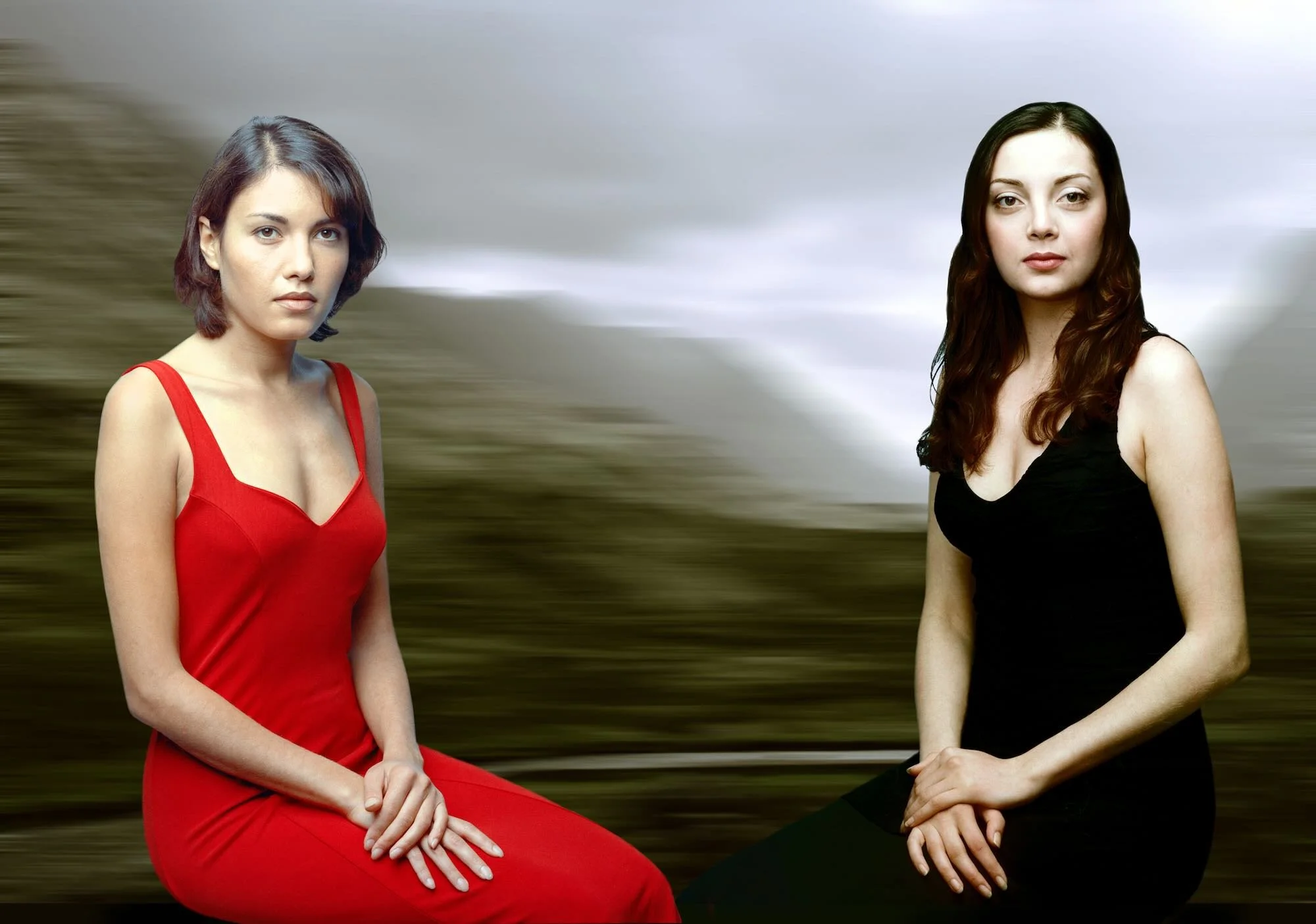
Balance de Mouvement 17, Linda und Neda, 210 x 140 cm, 1996
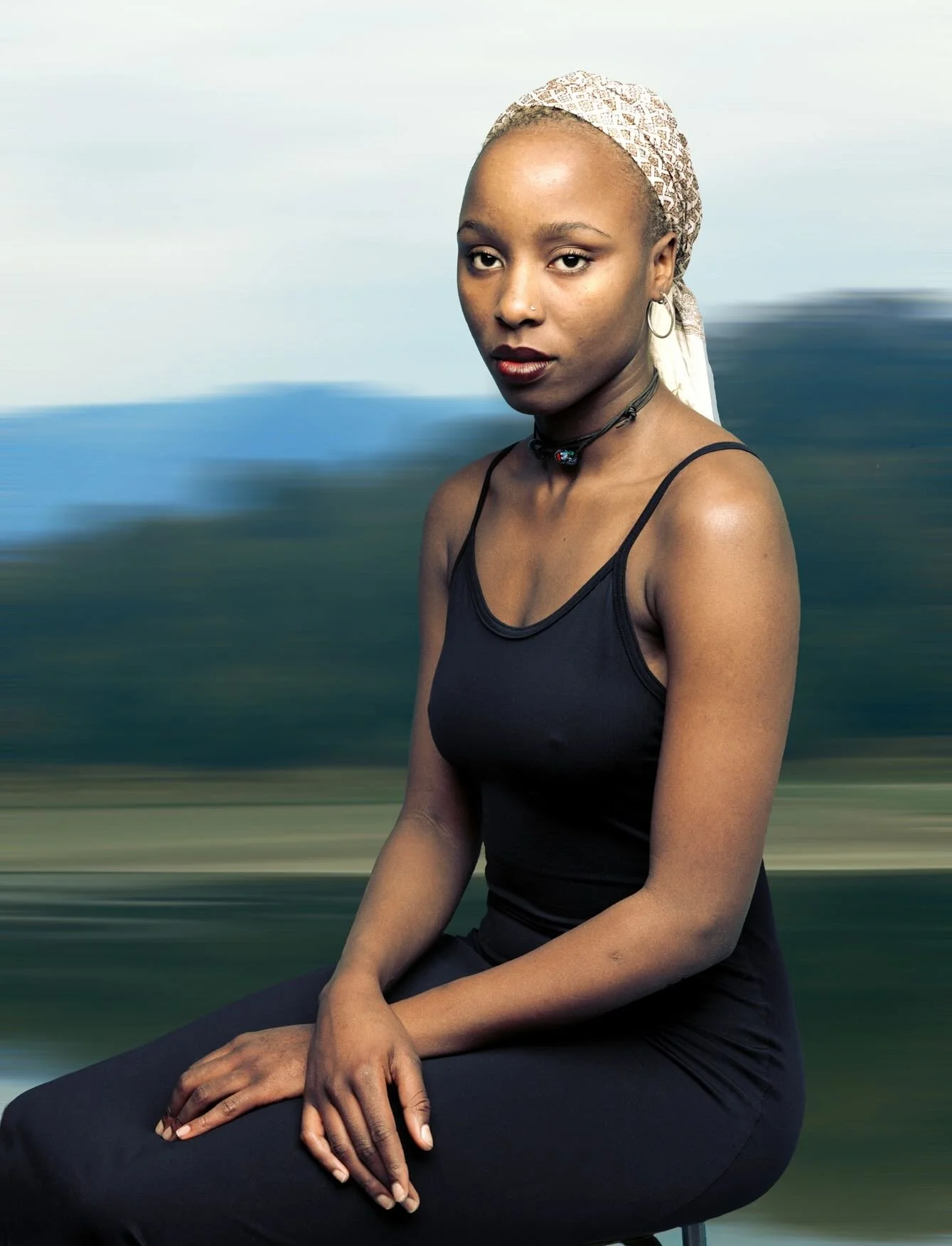
Balance de Mouvement 2, Rose, 160 x 120 cm, 1997
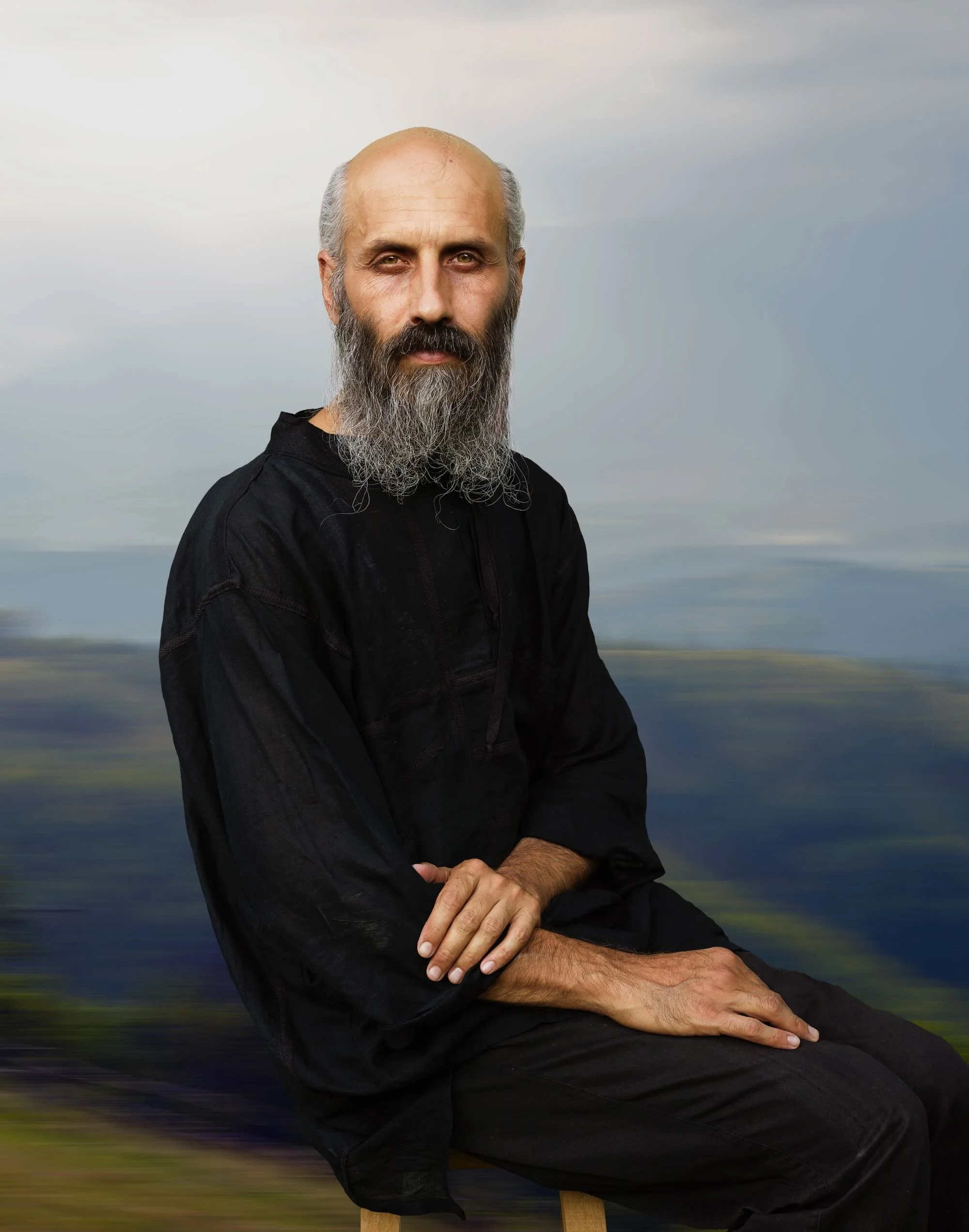
Balance de Mouvement 13, Tatai, 160 x 120 cm, 2013
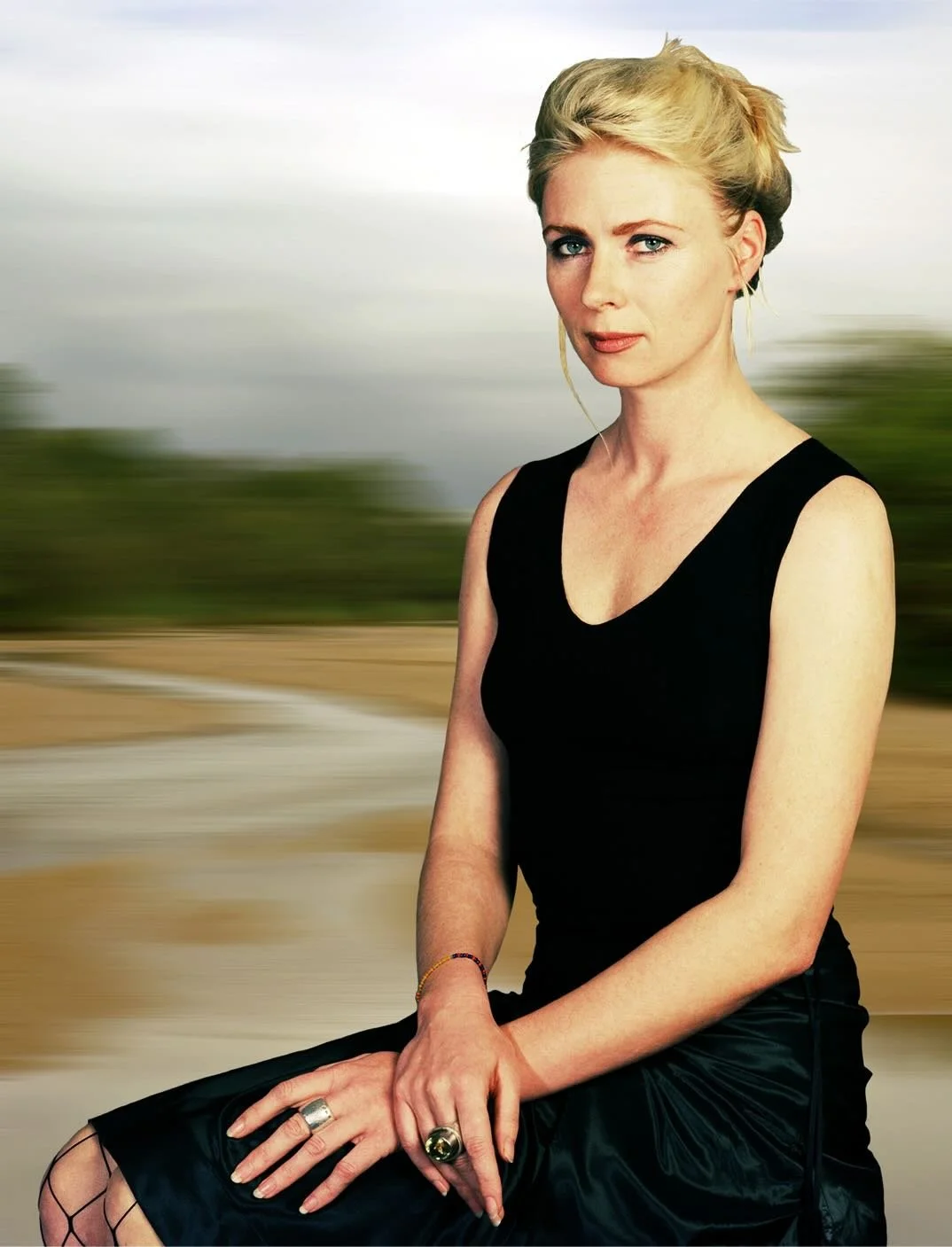
Balance de Mouvement 9, Corina, 160 x 120 cm, 2001
Balance de Movement
In 1996, I started my portrait series. The landscapes in the backgrounds of the portraits are blurred; the poses of the people being portrayed refer to the paintings of Leonardo da Vinci, Titian and Piero della Francesca, and the postures of the heads and bodies as well as the positions of the hands remind us of historical paintings. Enhanced by undirected light, the people radiate a stillness that is almost meditative in its calmness.
The blurred landscapes or city views in the backgrounds are synonyms of an outside world but, although aesthetically related, they are far removed in time and space from the people being portrayed. The dissonance between the outer and the inner worlds shows the impossibility of final understanding. All matter moves at varying relative speeds and thus remains in a relationship marked by a blurred resolution.
The German theoretical physicist and one of the key pioneers of quantum mechanics Werner Karl Heisenberg developed the term "uncertainty principle" to describe the inability to determine a particle's speed and its location at the same time. "The more precisely the position of some particle is determined, the less precisely its momentum can be known, and vice versa. We have to remember that what we observe is not nature herself but nature exposed to our method of questioning," Heisenberg explained.
With this project I was trying to connect Renaissance — the cradle of humanism and modern sciences — and the quantum theory, the determining idea of the 20th century.