Marks and Traces
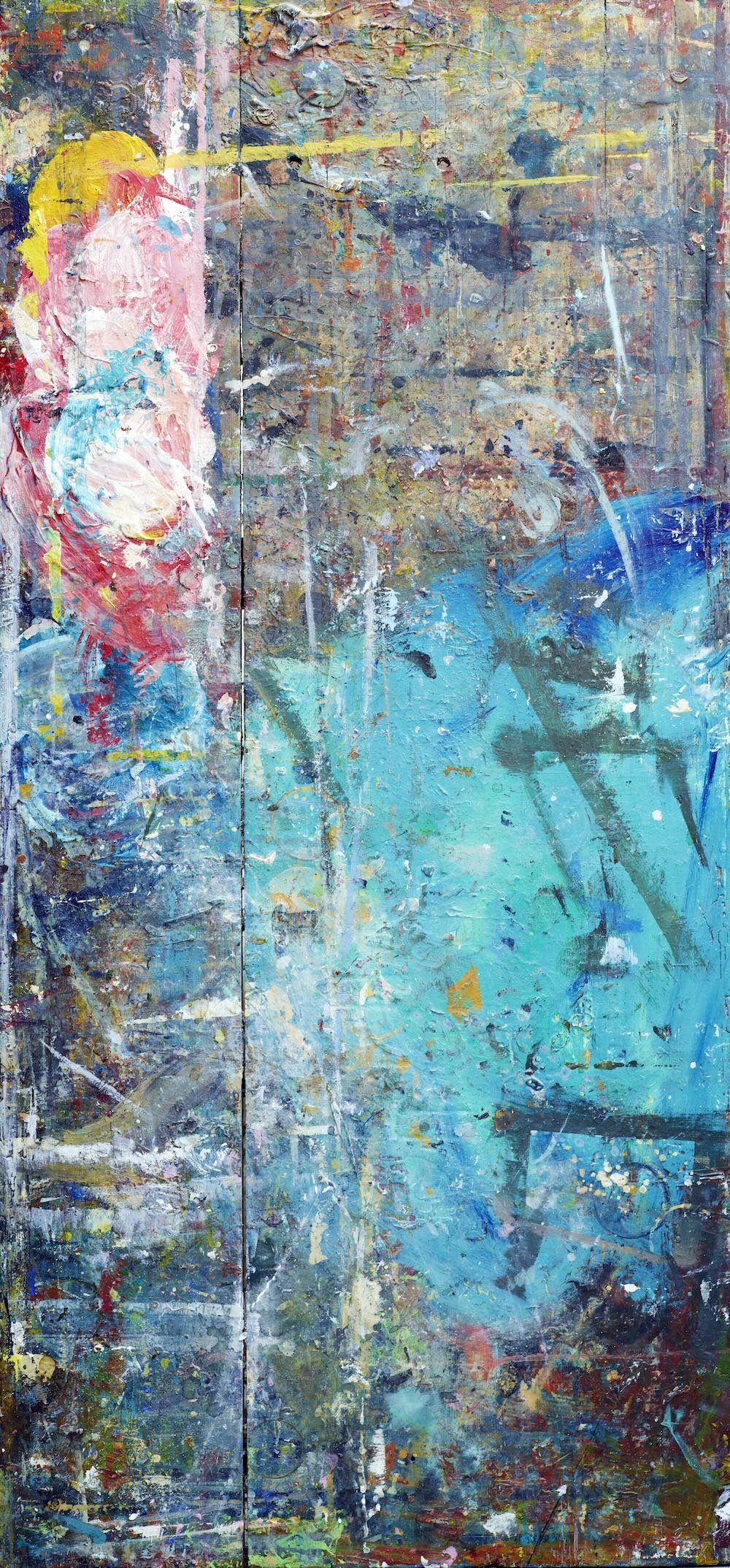
M.a.T. 51, 200 x 150 cm, Cill Rialaig 2012
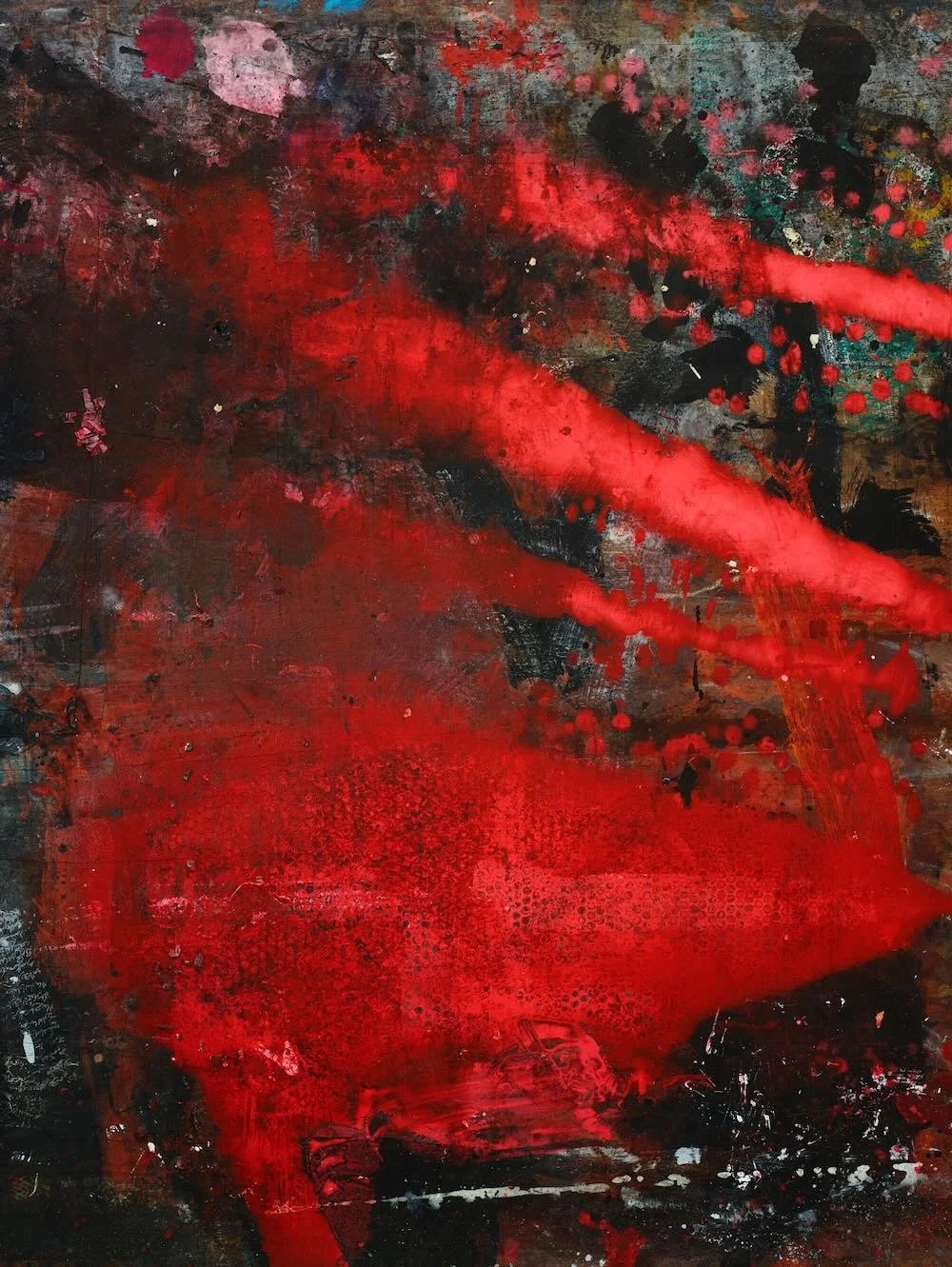
M.a.T. 55, 200 x 150 cm, Marakesh 2015
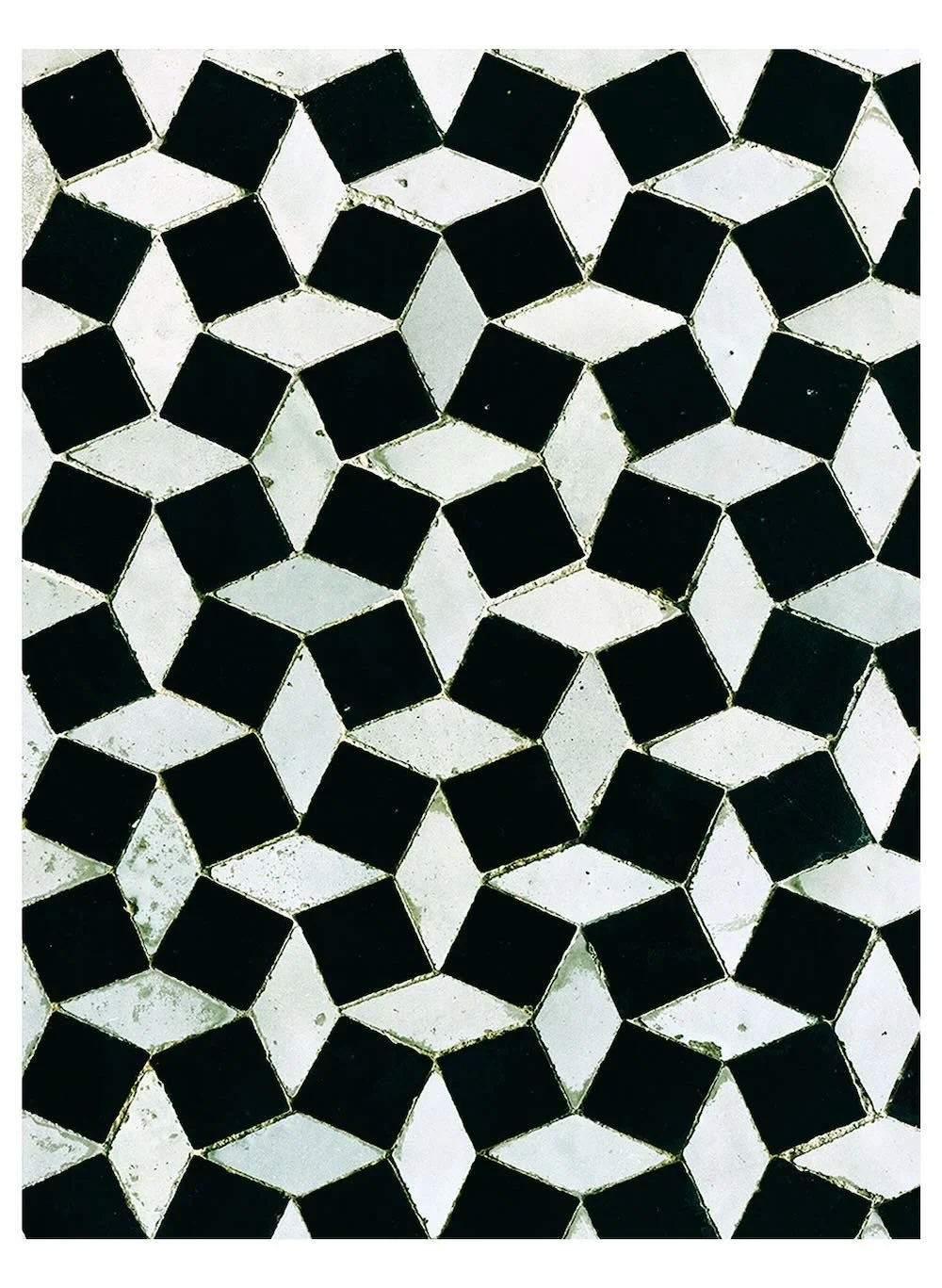
M.a.T. 37, 160 x 120 cm, Rabat 1989
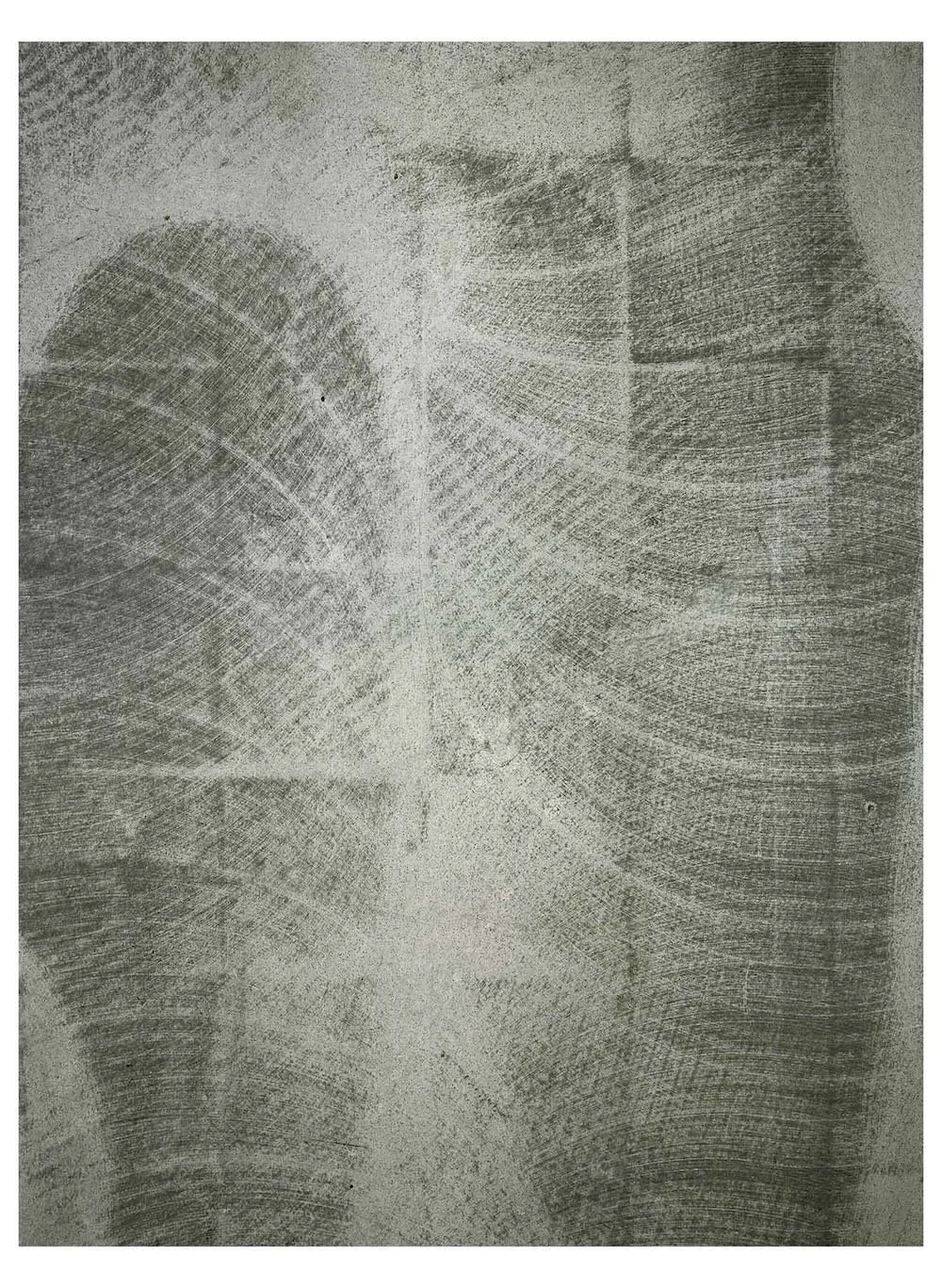
M.a.T. 6, 200 x 150 cm, Düsseldorf 2013
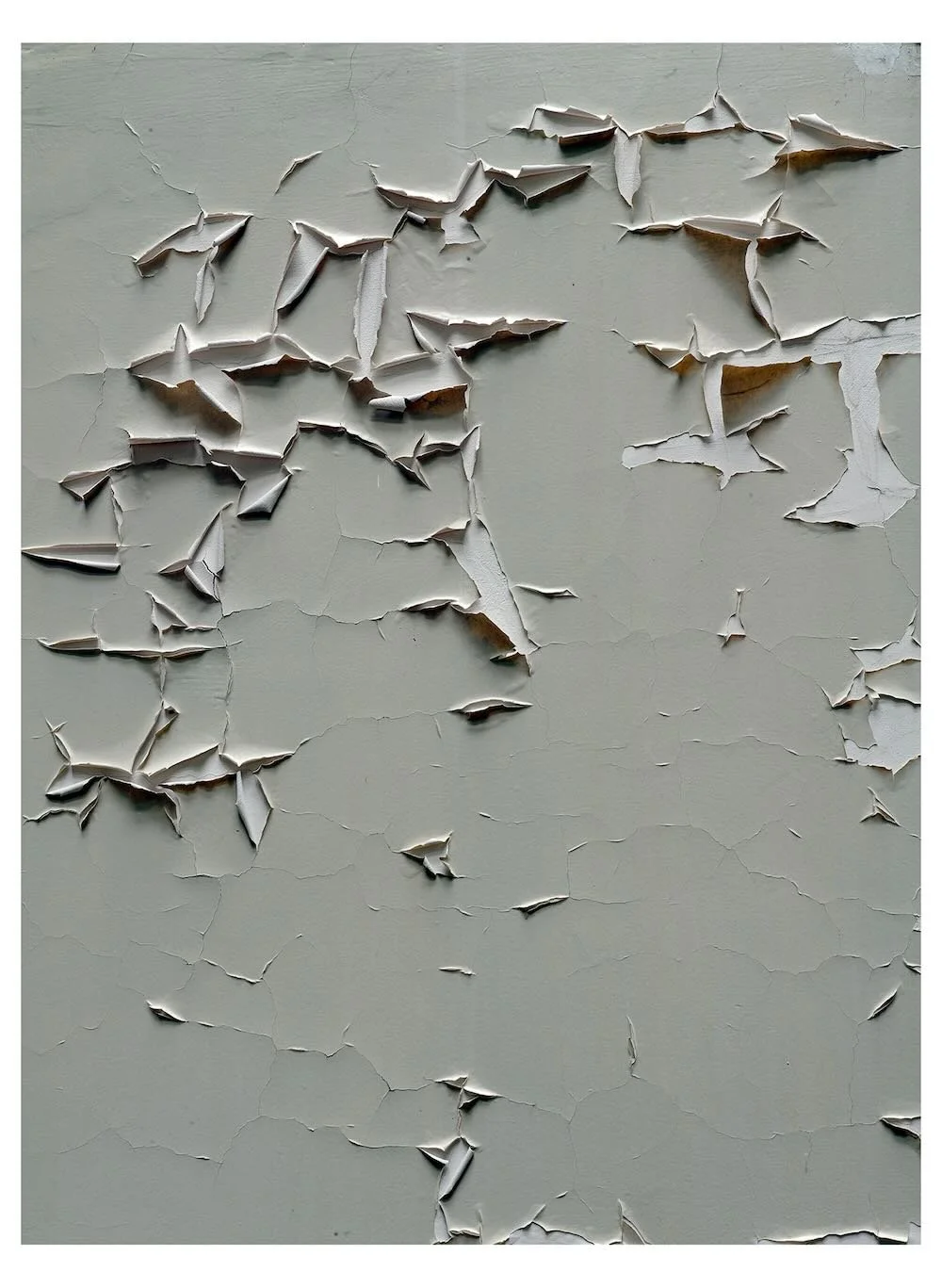
M.a.T. 1, 200 x 150 cm, Beijing 2012
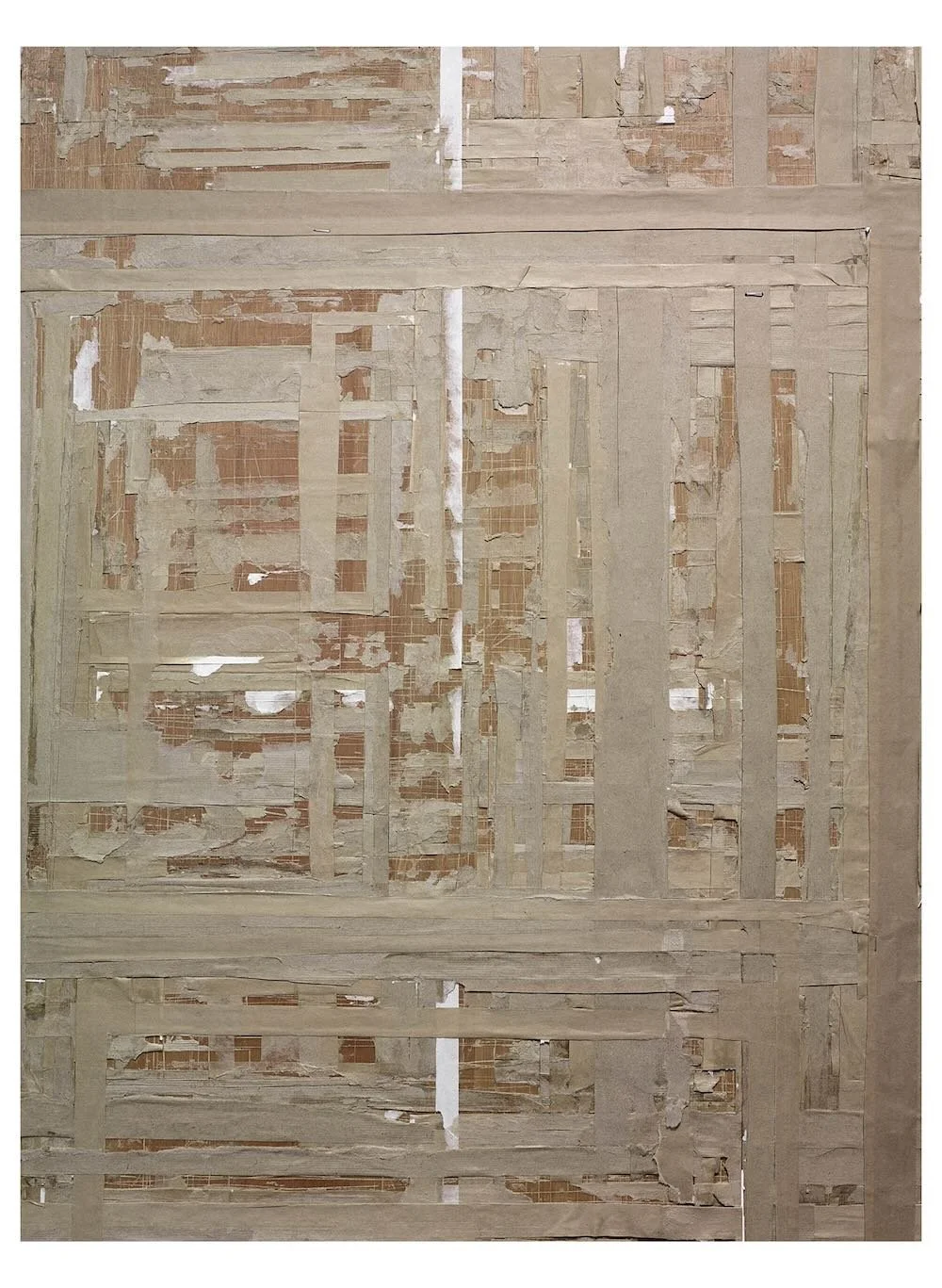
M.a.T. 61, 200 x 150 cm, Wuhan 2018
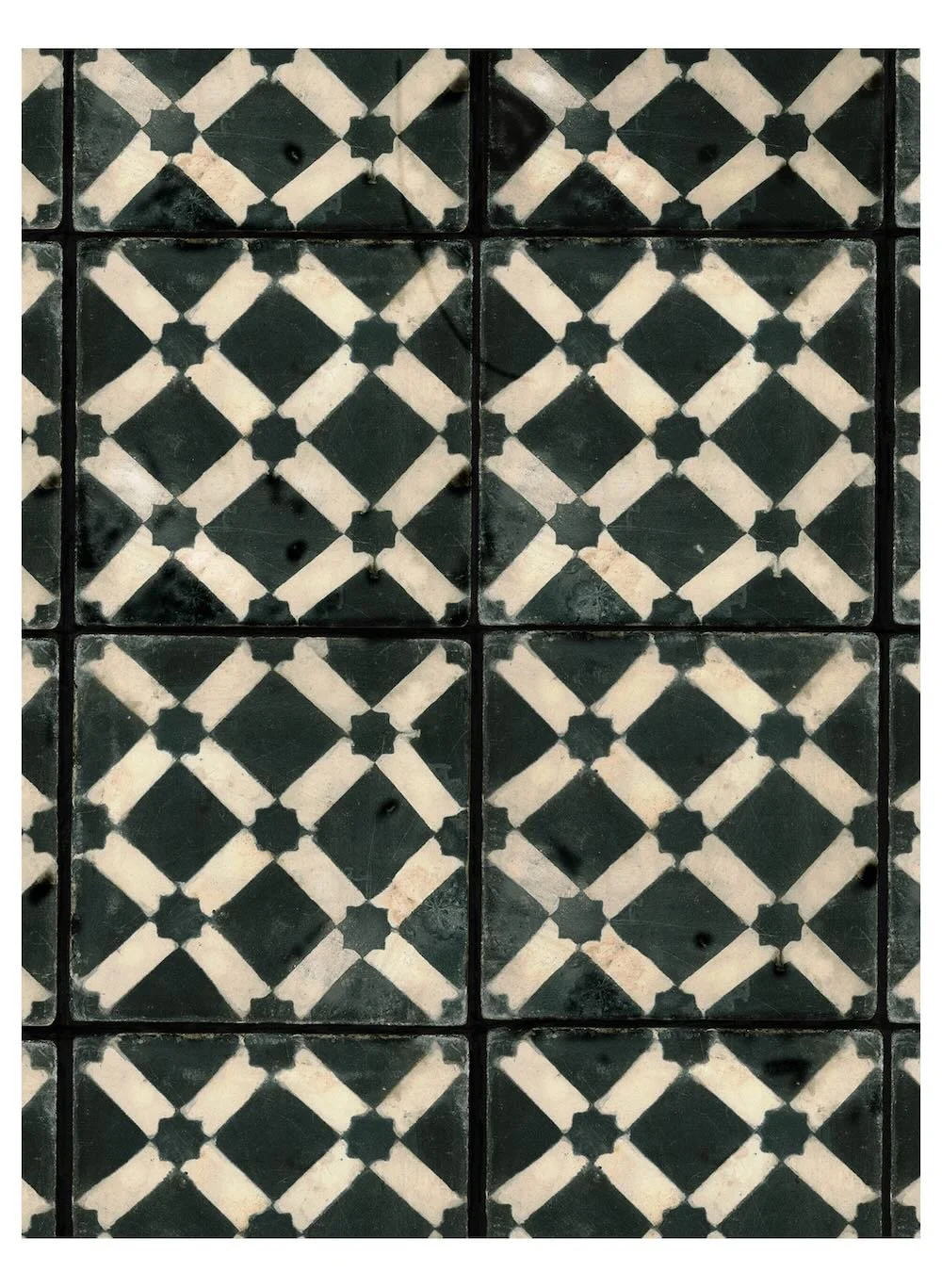
M.a.T. 38, 160 x 120 cm, Rabat 1989
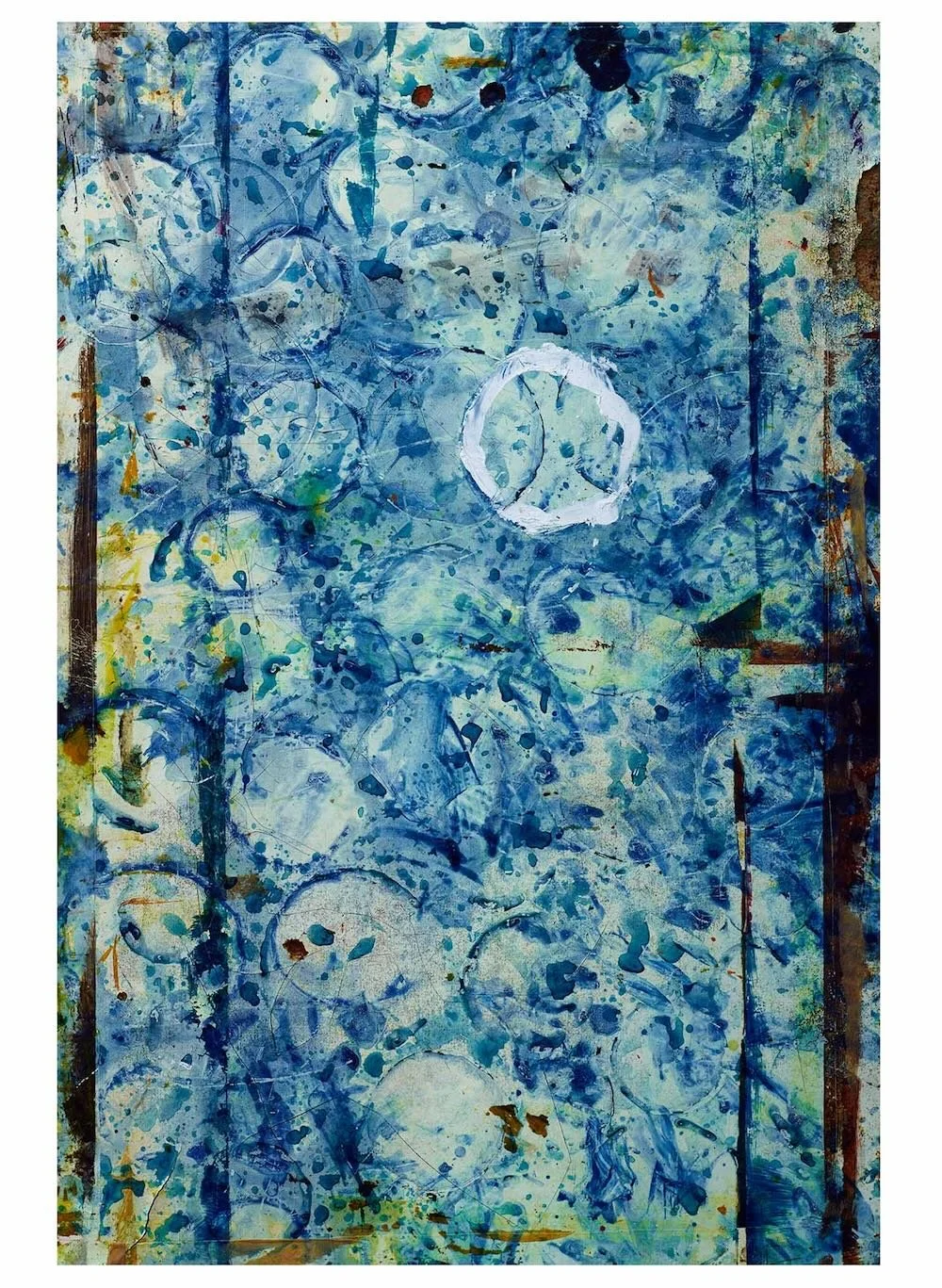
M.a.T. 30, 200 x 150 cm, Mojaca 2012
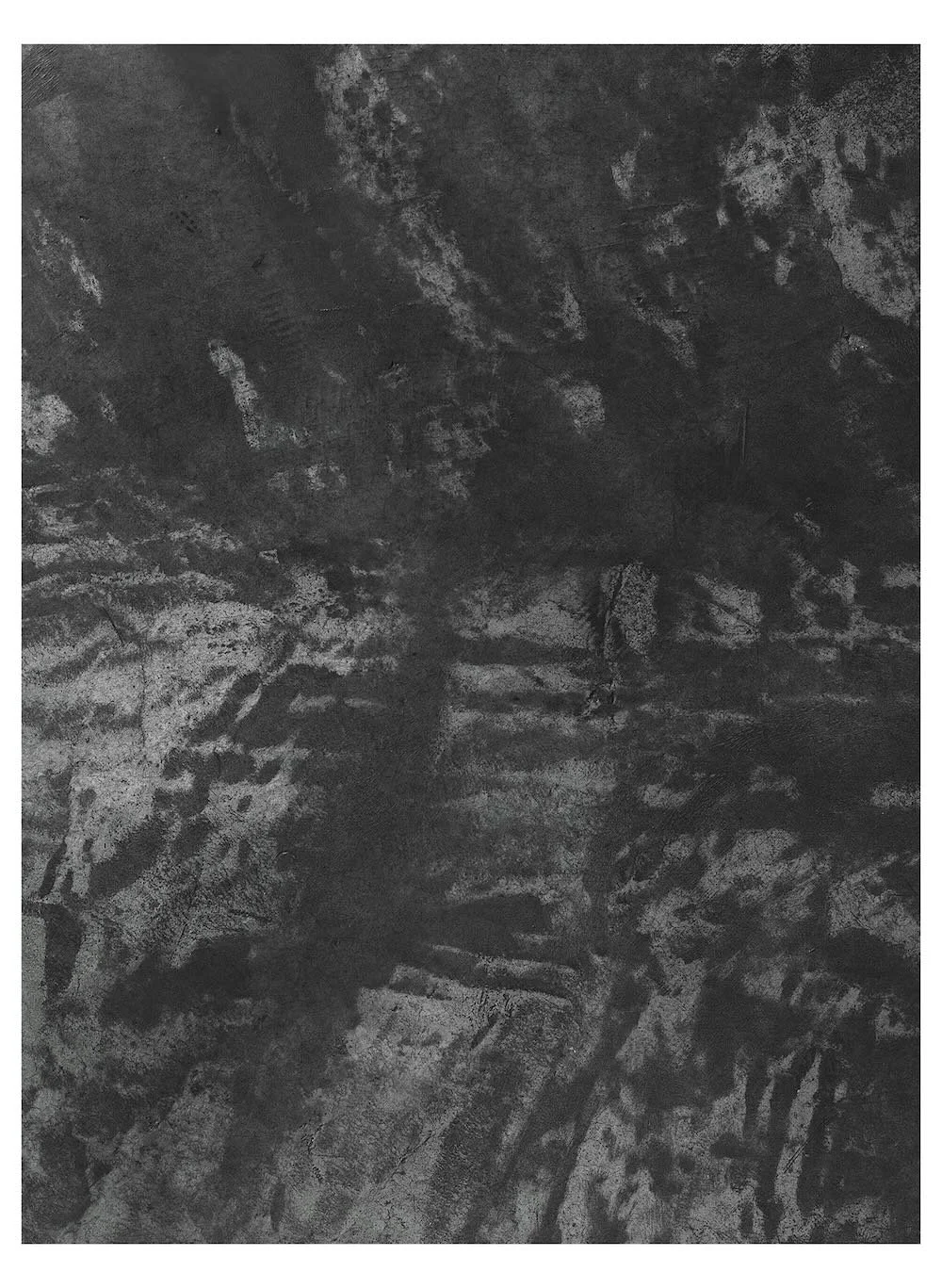
M.a.T. 1, 200 x 150 cm, Beijing 2012
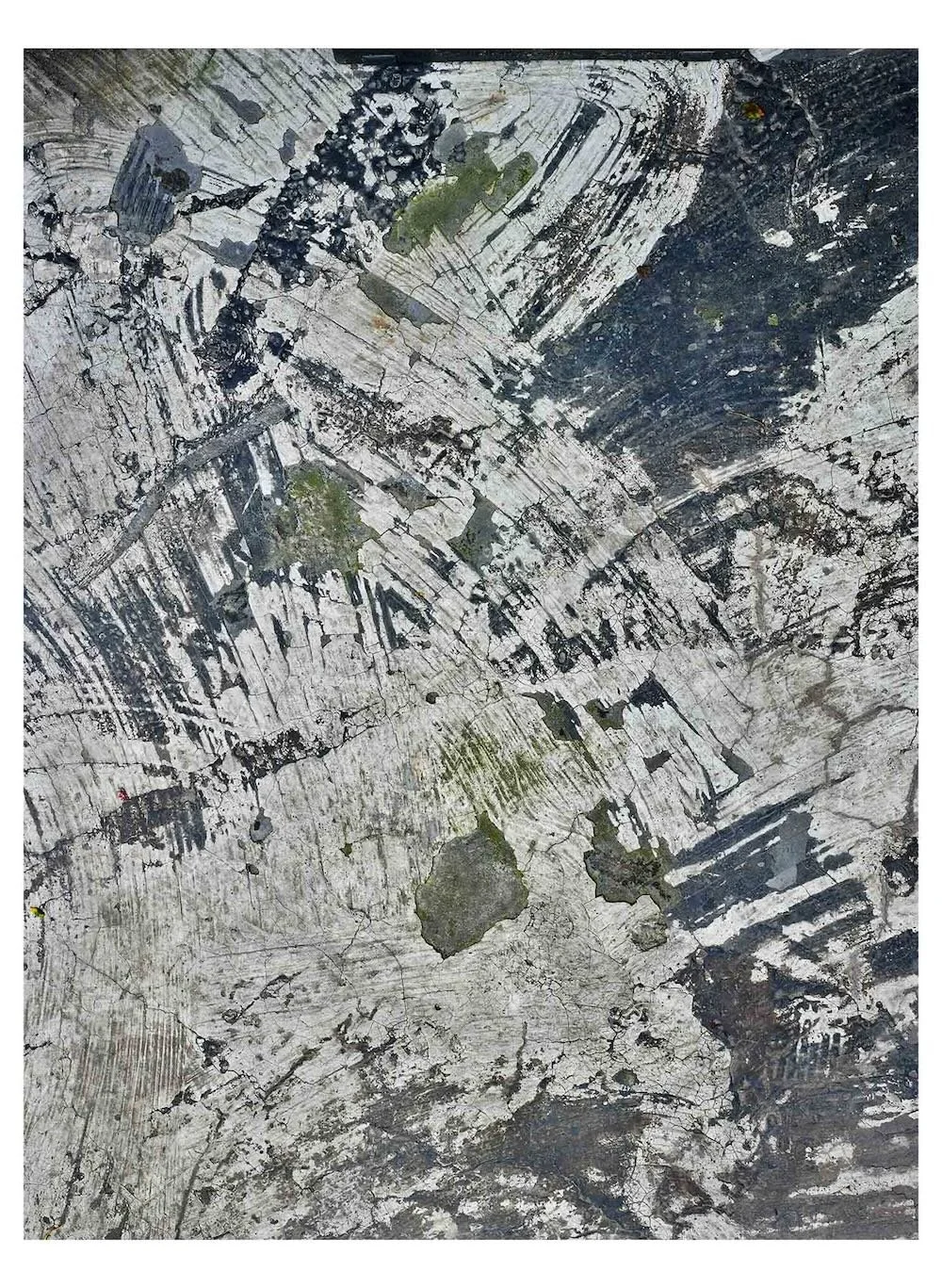
M.a.T. 61, 200 x 150 cm, Chongqing 2018
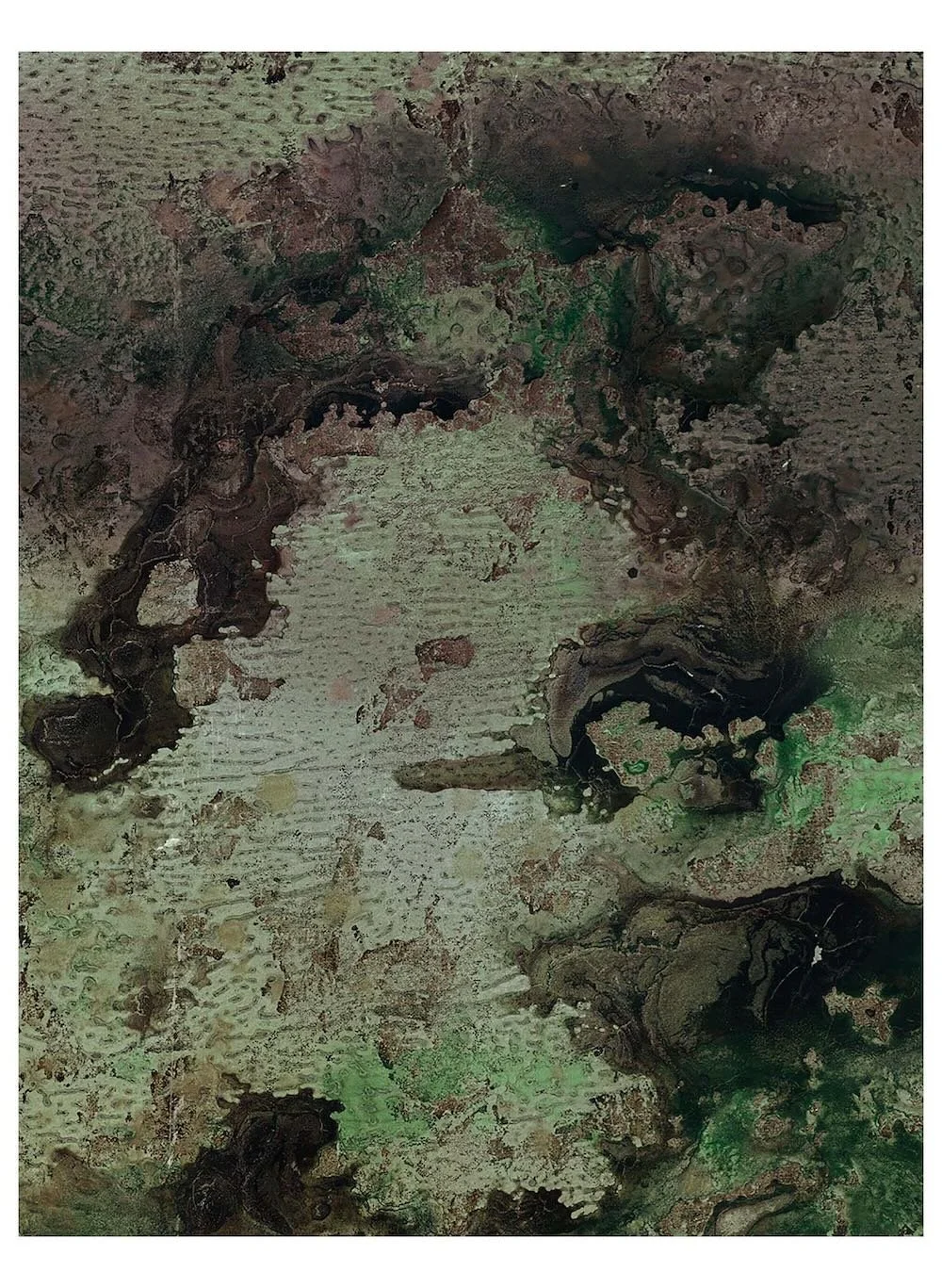
M.a.T. 69, 200 x 150 cm, Düsseldorf 2017
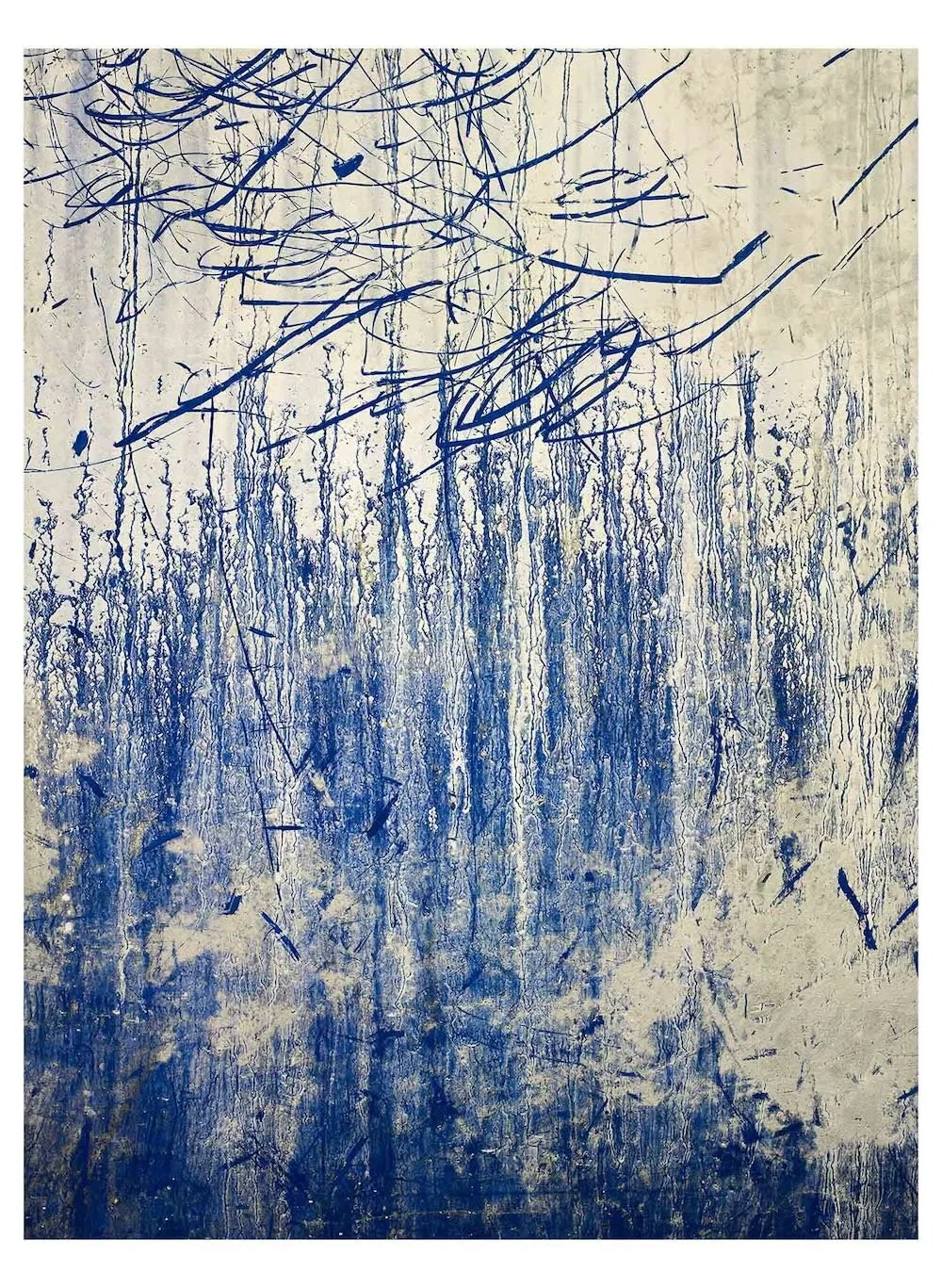
M.a.T. 60, 200 x 150 cm, Chongqing 2018
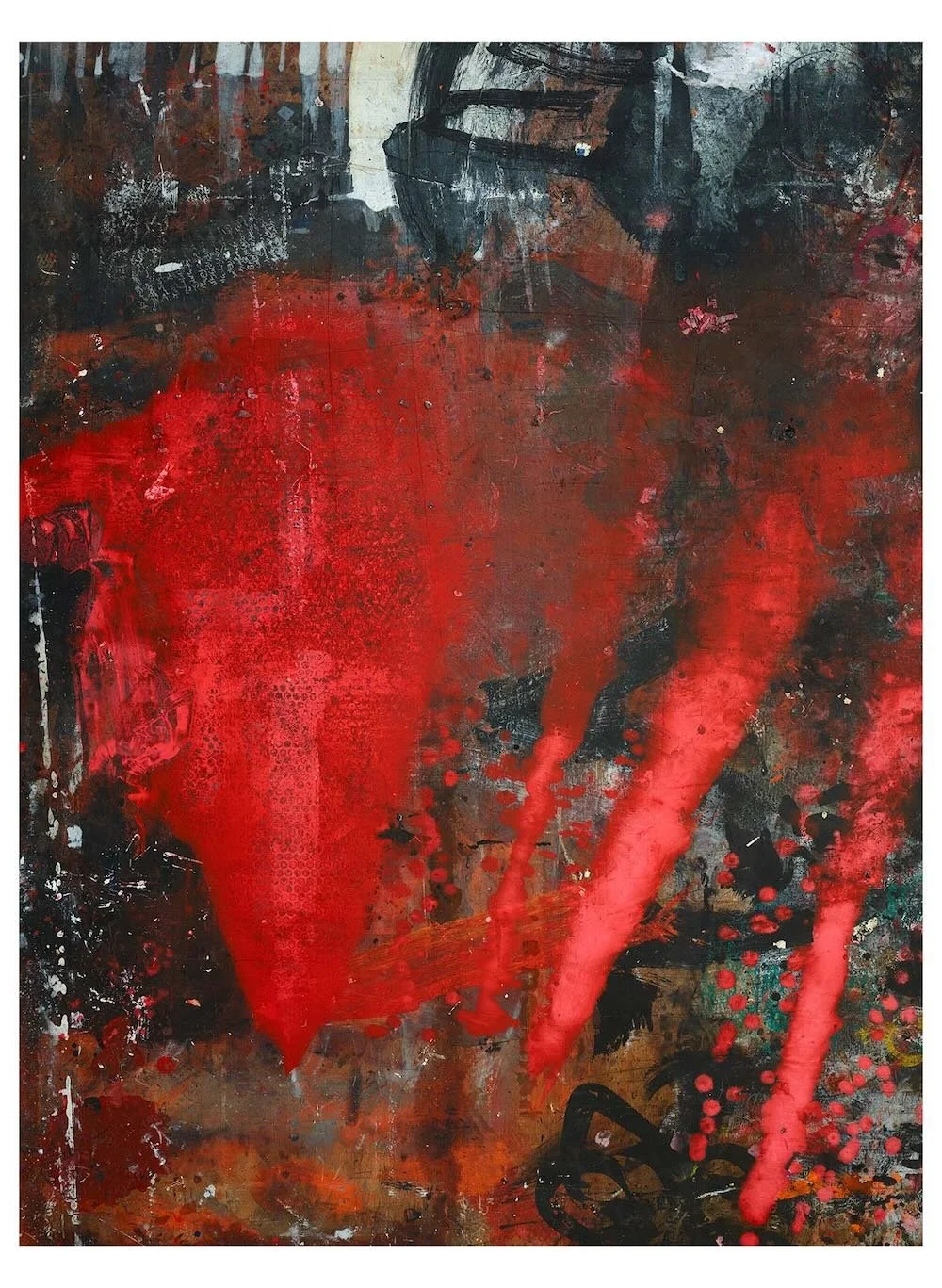
M.a.T. 56, 200 x 150 cm, Marakesh 2015
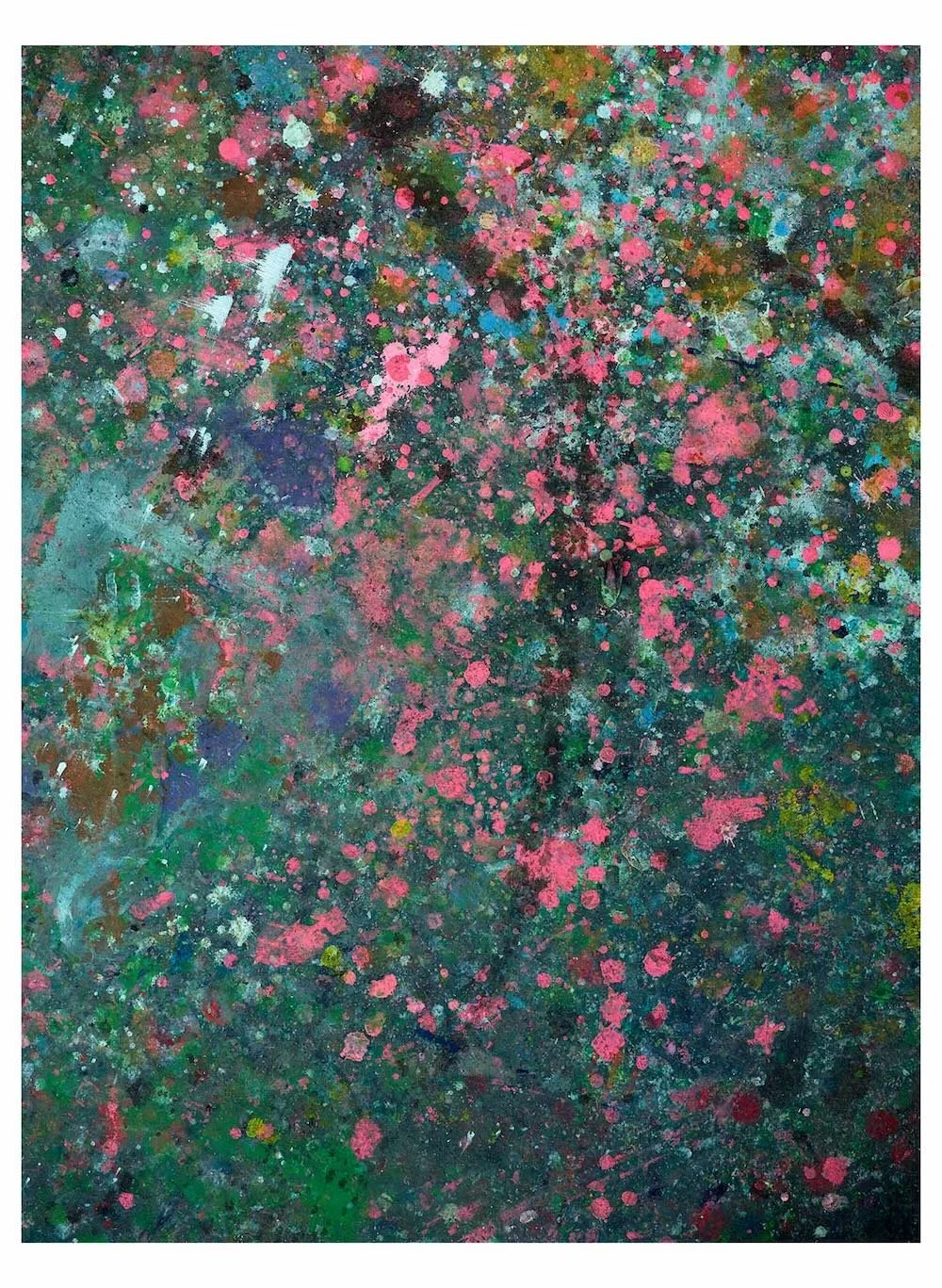
M.a.T. 70, 200 x 150 cm, Düsseldorf 2013
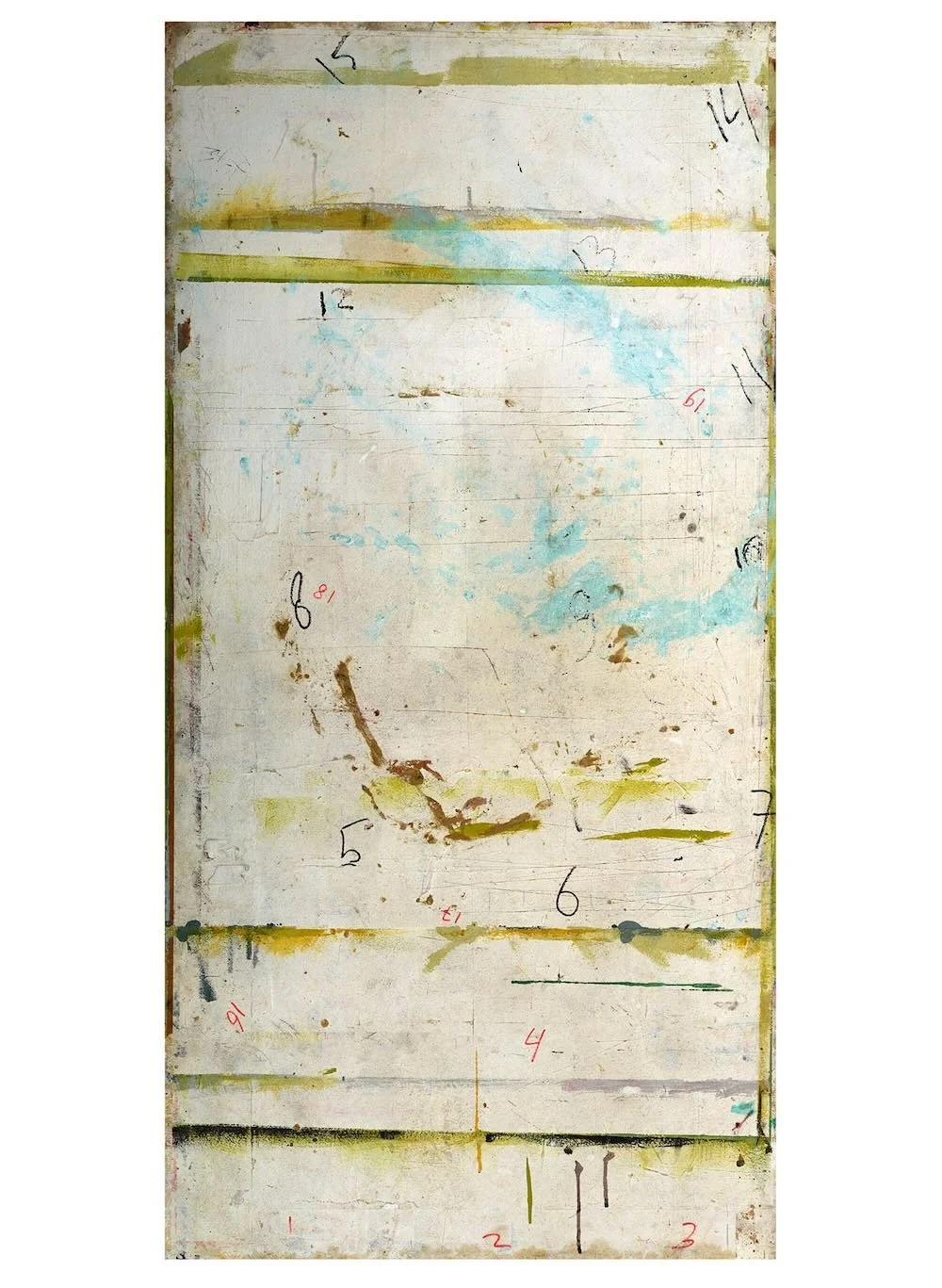
M.a.T. 28, 200 x 100 cm, Mojacar, 2012
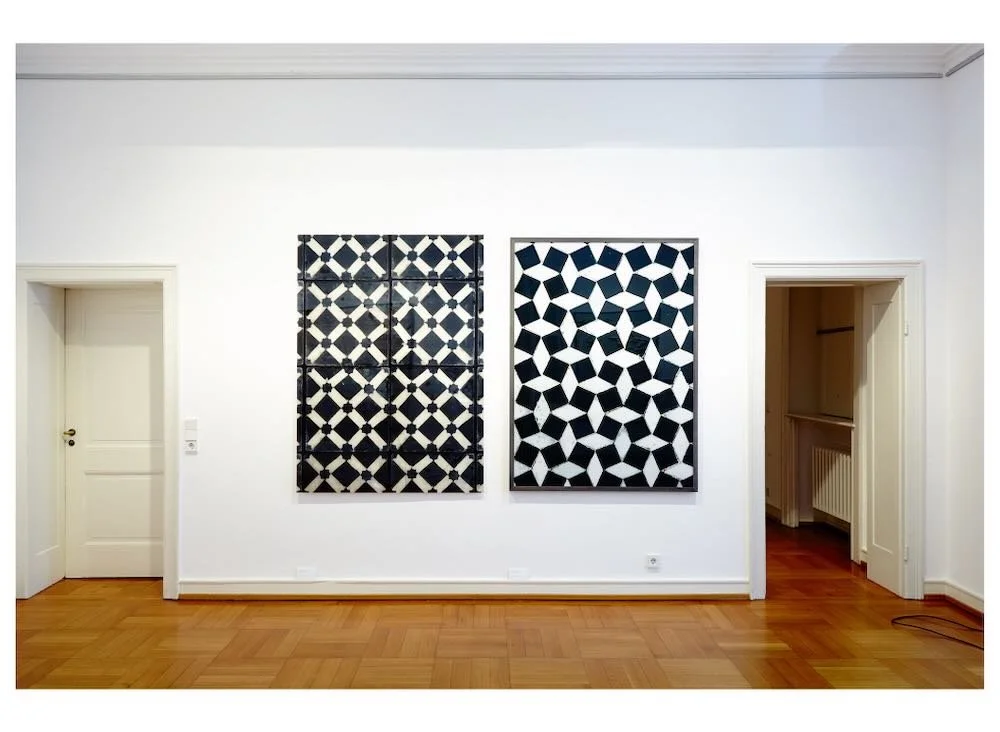
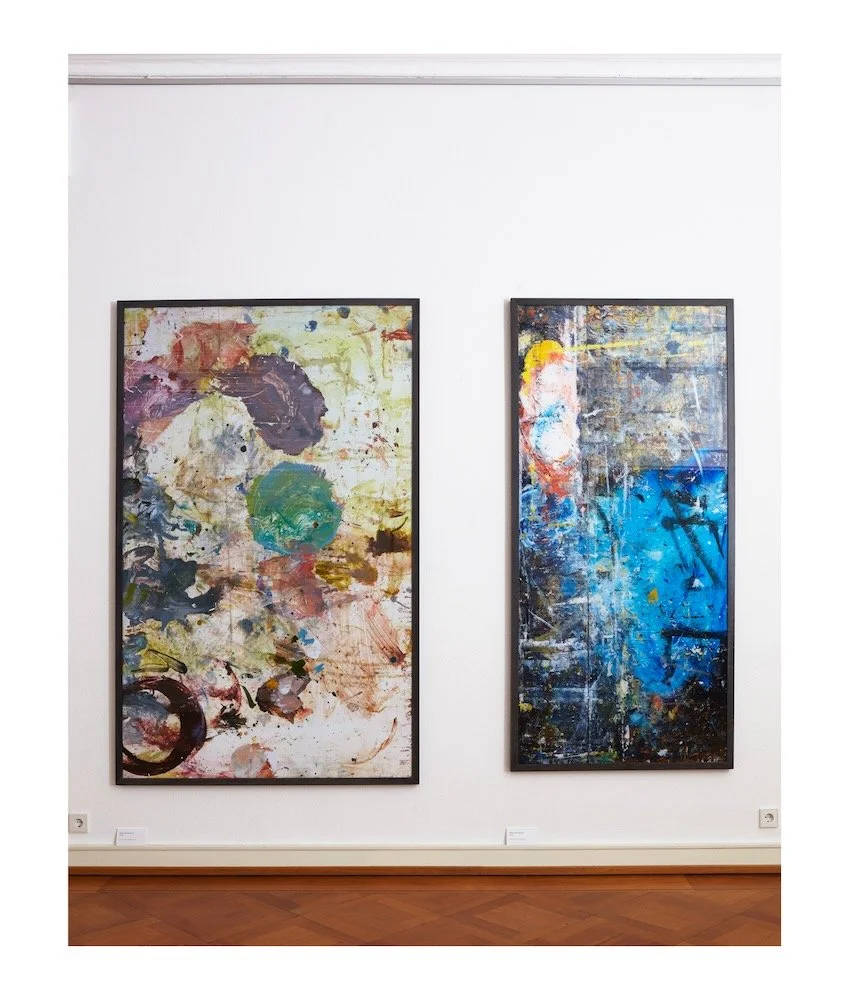
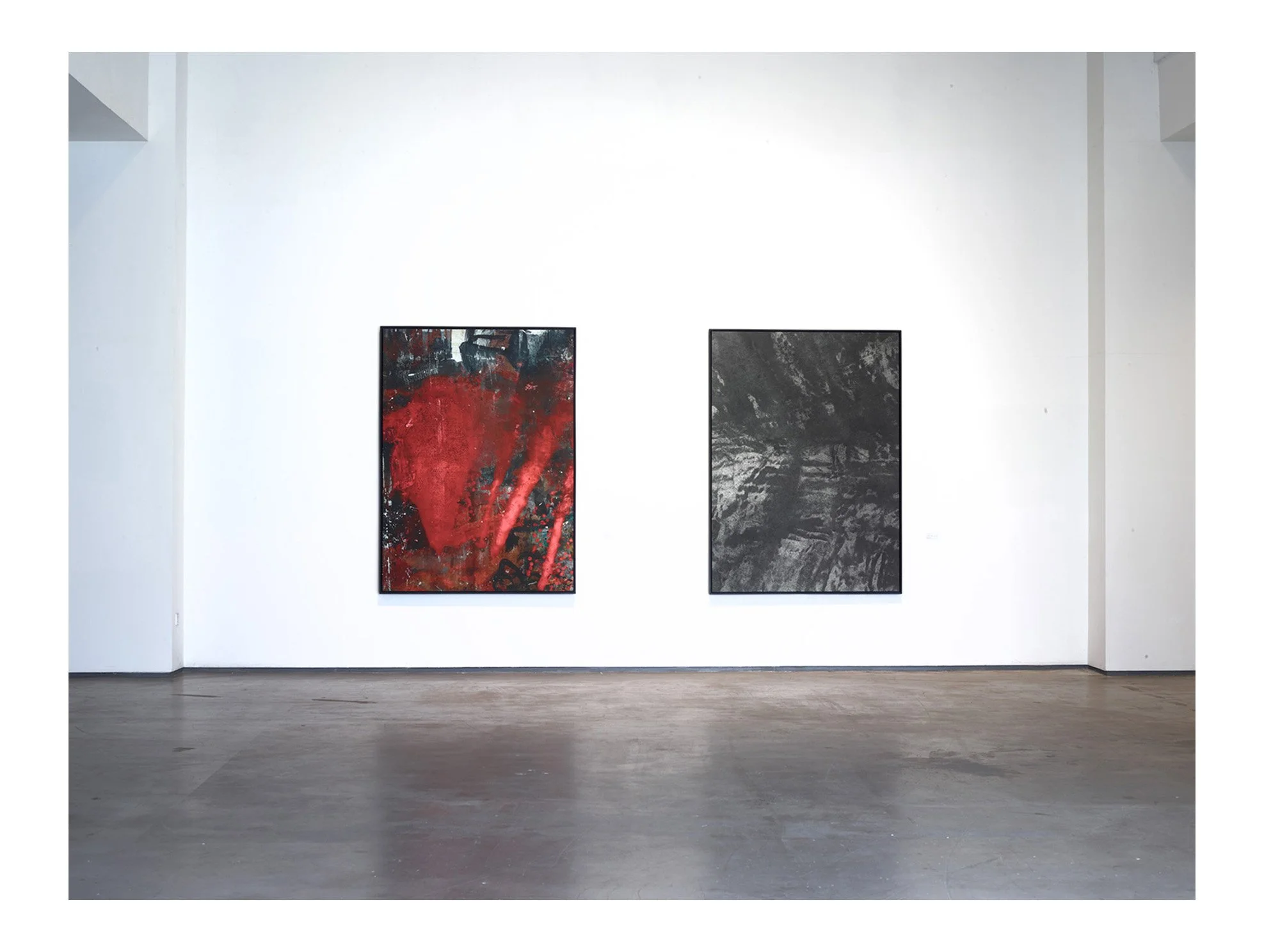
Marks and Traces
I have long admired the German painter Sigmar Polke (d. 2010), whose Höhere Wesen befahlen mir obere rechte Ecke schwarz malen captures his unique sense of humour. Another of his works, Carl Andre in Delft, inspired my series of floors. What fascinated me was not only Polke’s witty commentary on Conceptual Art, but the very act of painting something flat onto a flat canvas. For a painter, this was nothing new — Malevich’s black squares had abandoned depth as early as 1915. But for me, as a photographer used to translating a three-dimensional world onto a two-dimensional print, it was a radical shift.
I began photographing floors and walls in Morocco and Barcelona with my 5x7 Sinar camera, enlarging the prints to 200 x 150 cm. From a distance, the images appear as abstract compositions; up close, they reveal themselves as sites of memory — surfaces marked by scratches and traces that, like clues, tell a quiet story.
In Beijing, I focused on floors bearing the imprints of political and cultural events. During residencies in Cill Rialaig (Ireland) and Valparaíso (Spain), I photographed the tables and palettes of fellow painters, capturing the unintended compositions left behind by their work. In Düsseldorf, I turned to the studio floors of the Art Academies of Düsseldorf and Xi’an.
Photographed without any sense of depth, these flat surfaces transform into abstract images reminiscent of Pollock, Richter, and Malevich — paintings created not by the brush, but by time and human presence.