Fate in the Vase
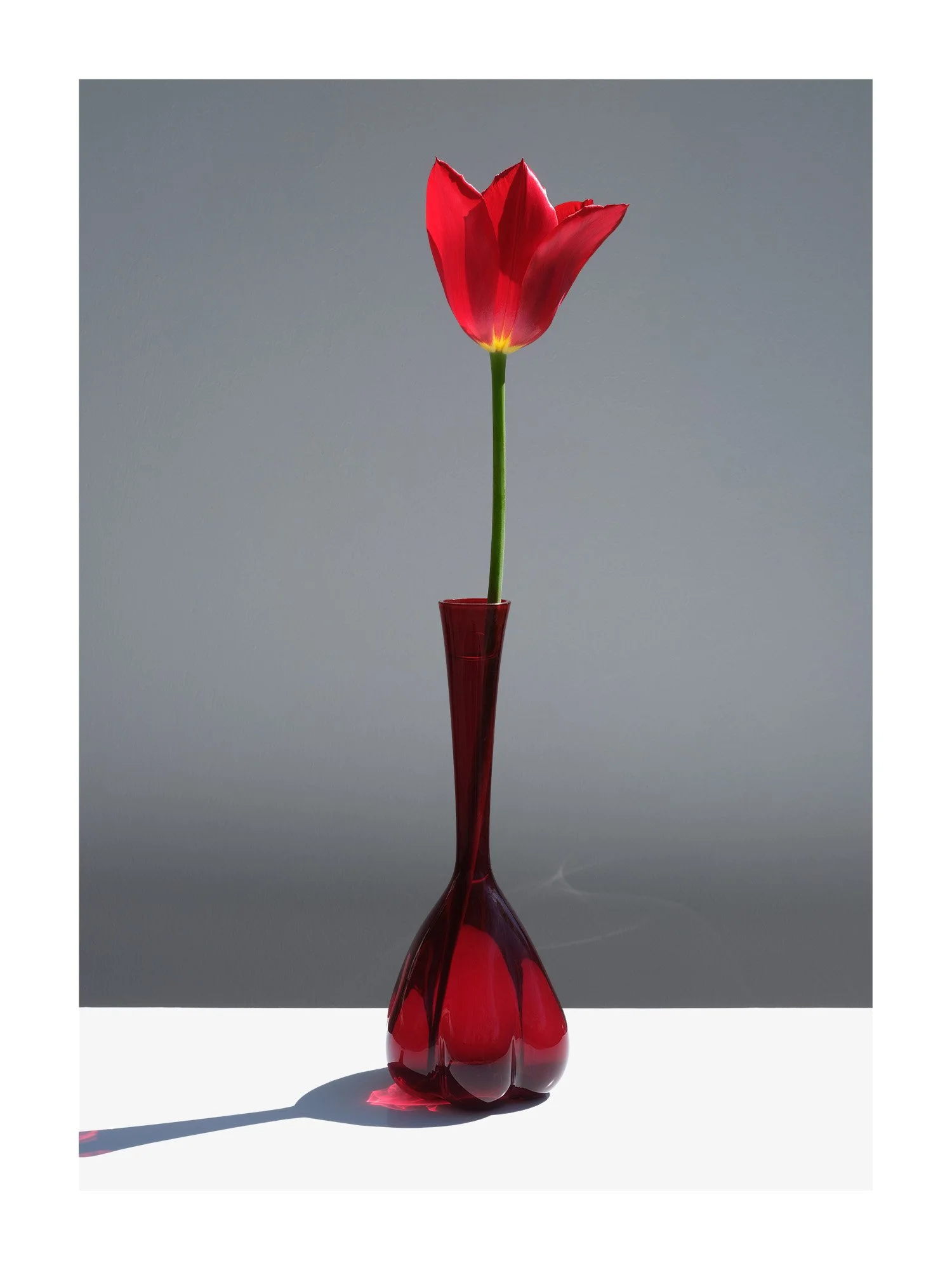
Fate in a Vase 12, 160 x 120 cm, 2023
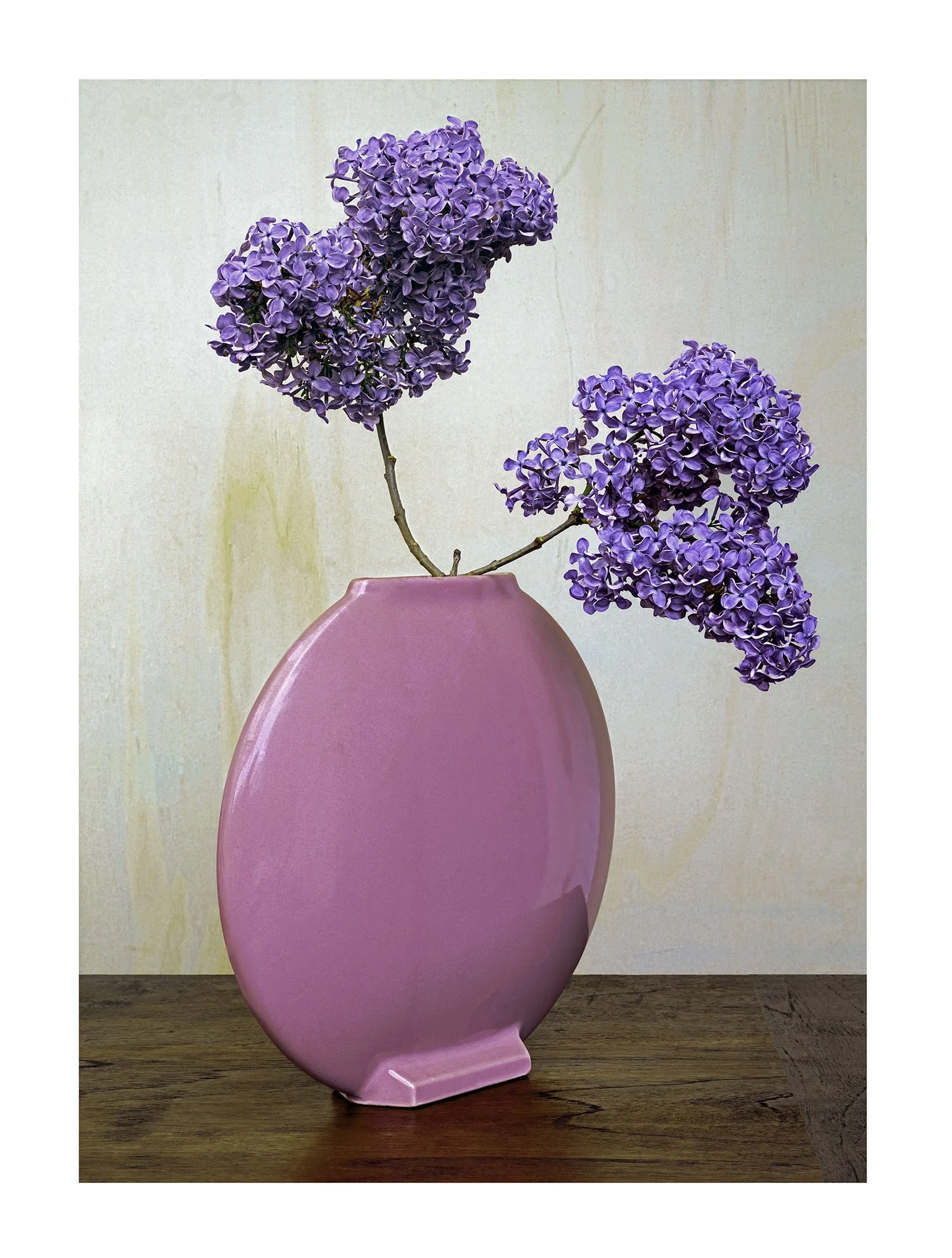
Fate in the Vase 13, 160 x 120 cm, 2023
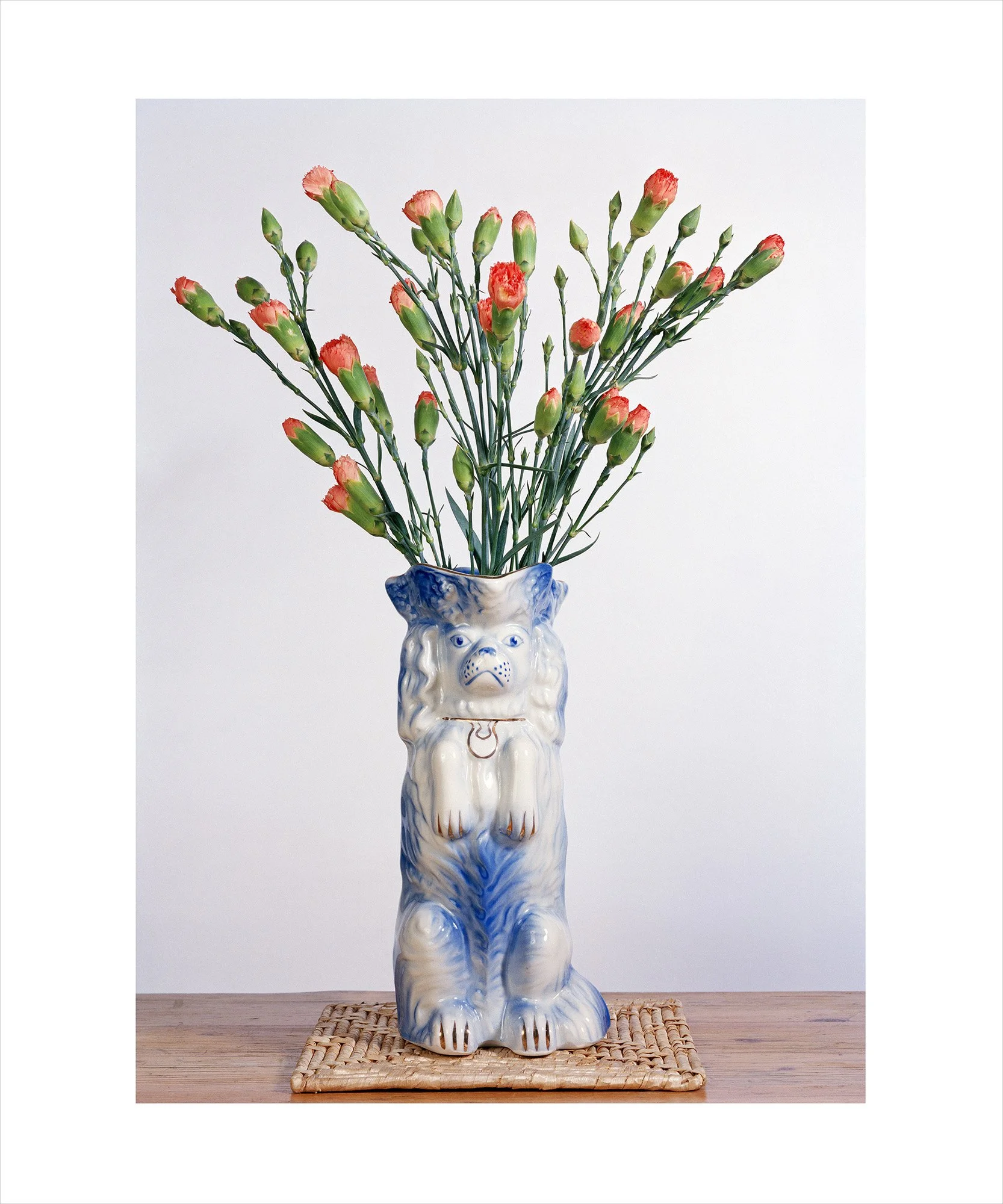
Fate in a Vase 3, 160 x 120 cm, 1992
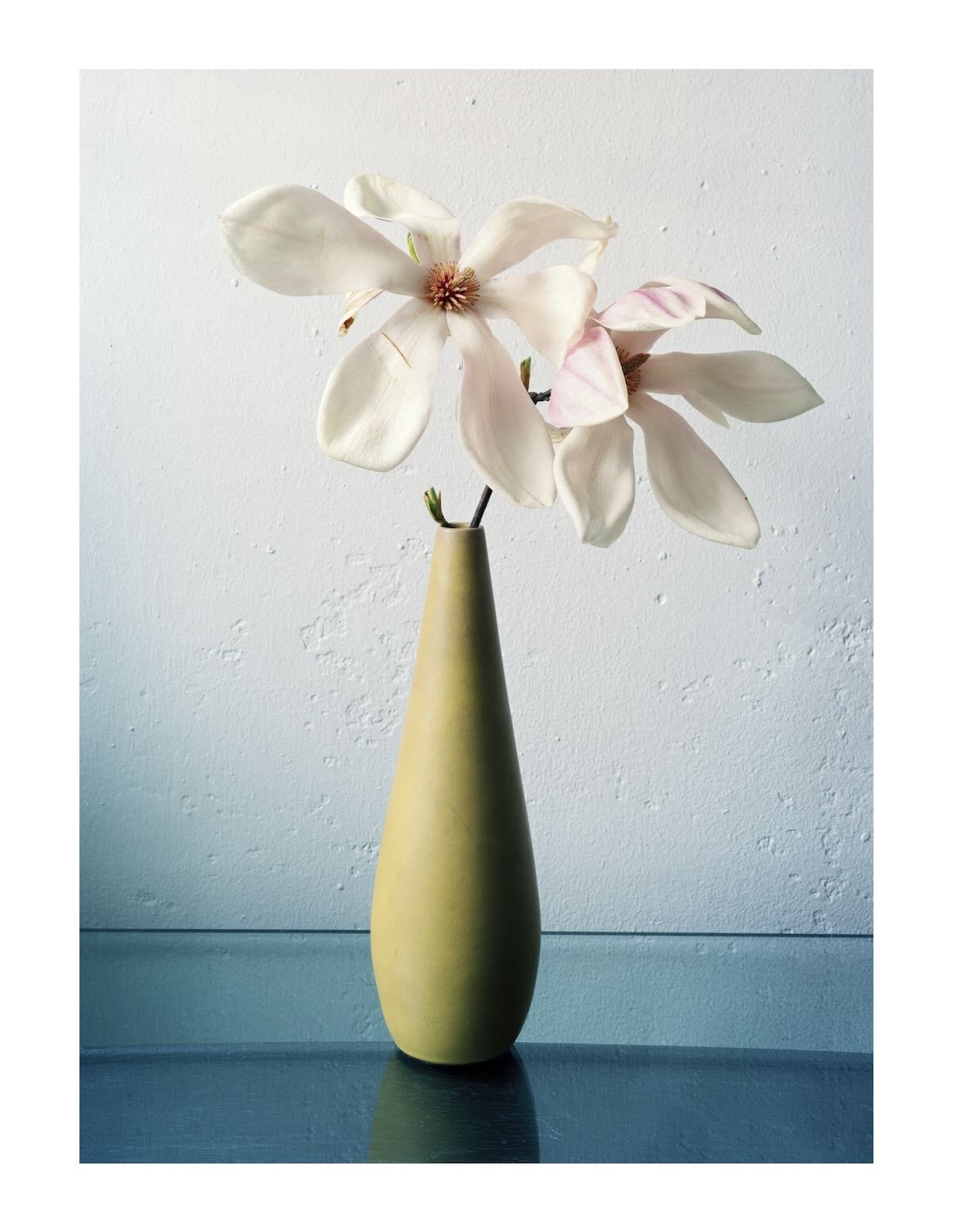
Fate in a Vase 2, 240 x 180 cm, 1991
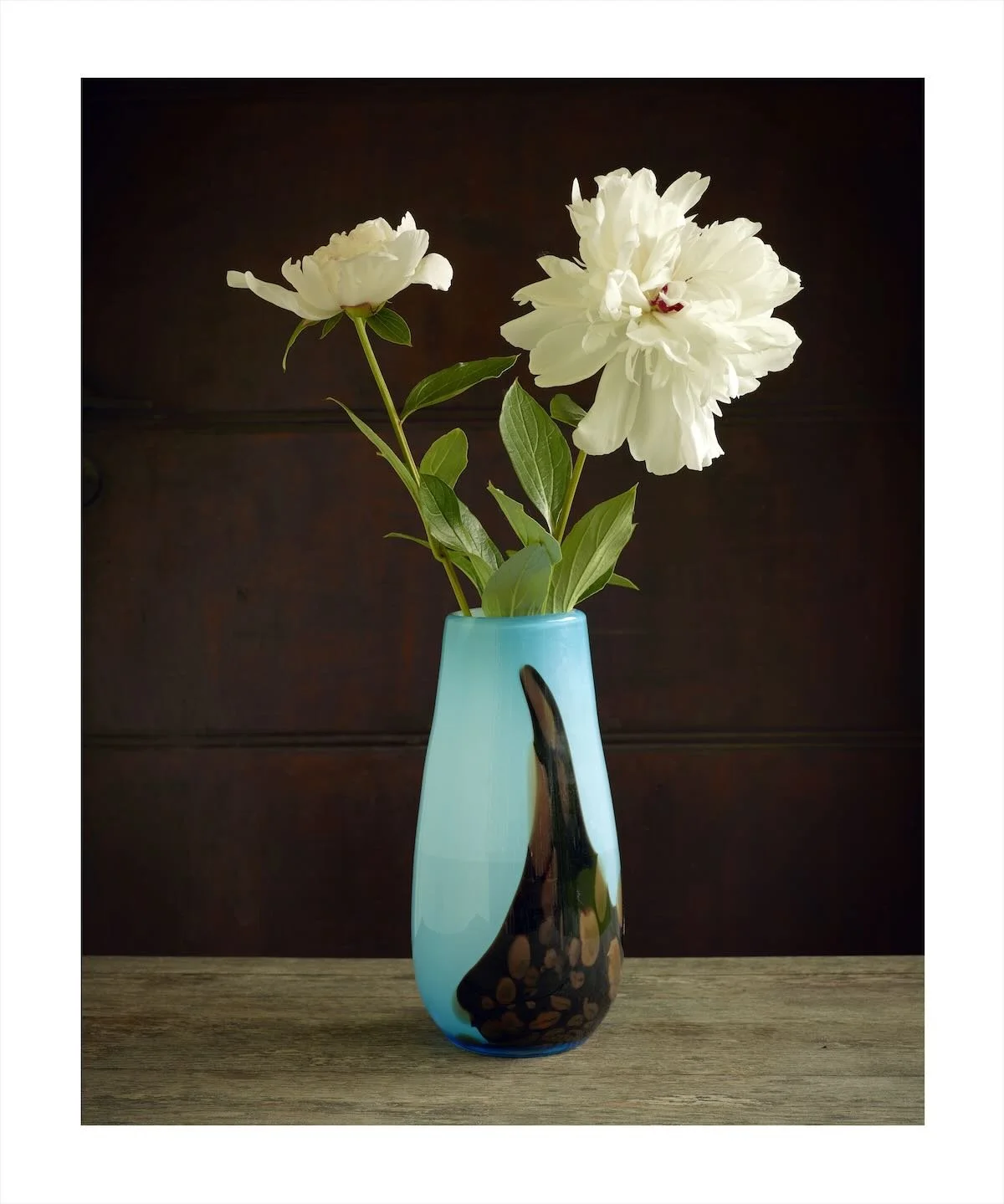
Fate in a Vase 11, 160 x 120 cm, 2011
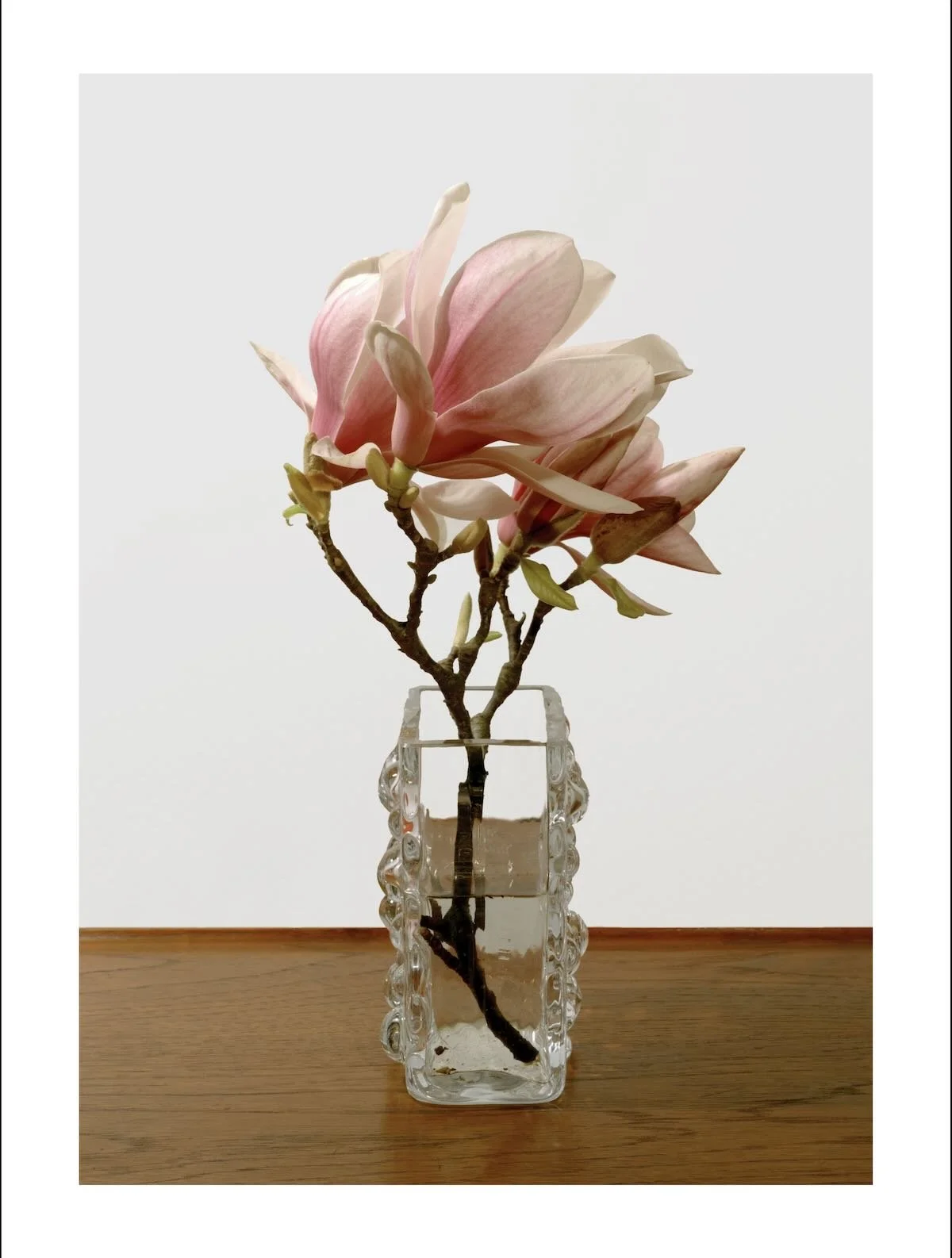
Fate in a Vase 5, 160 x 120 cm, 1999
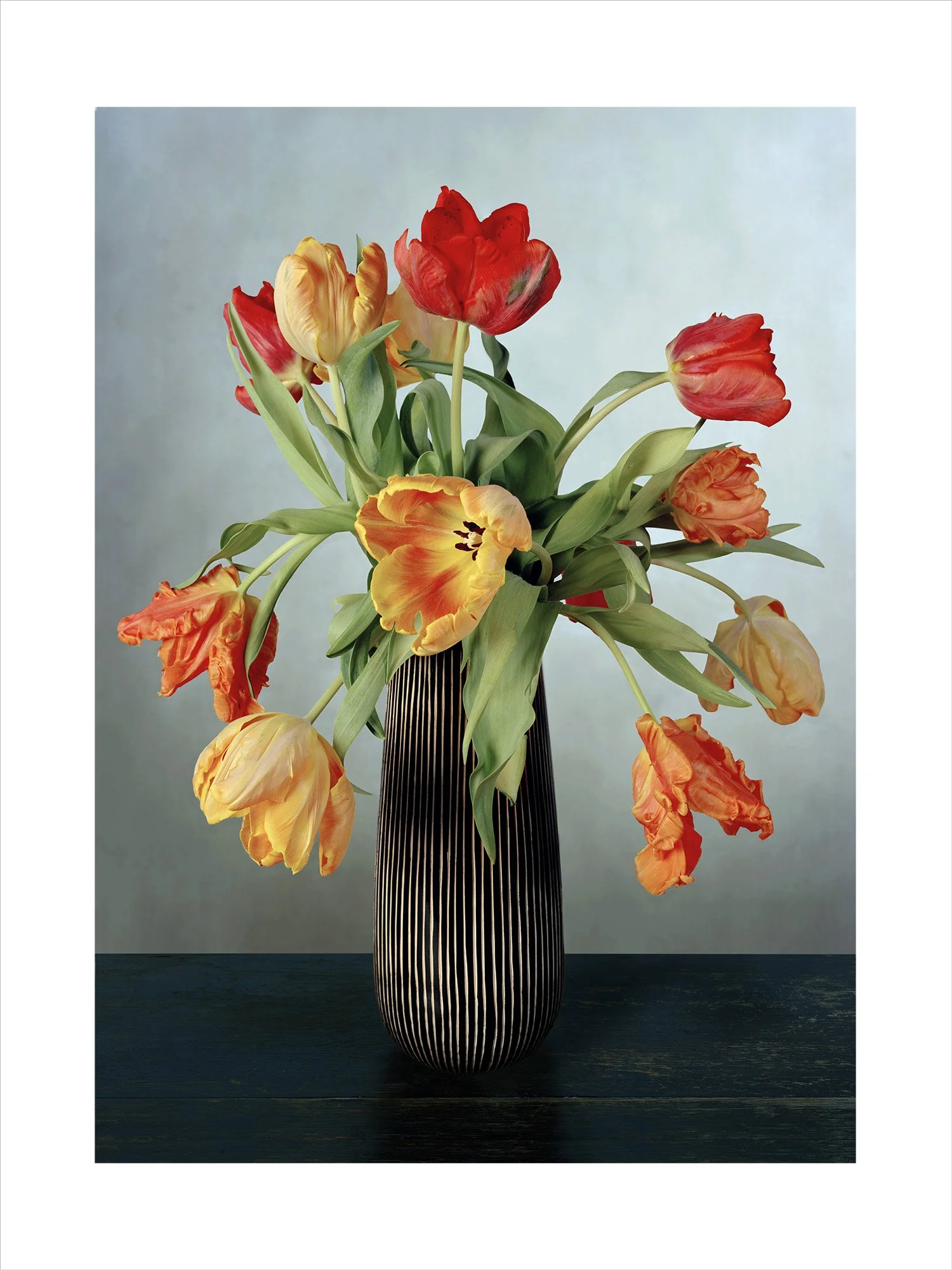
Fate in a Vase 10, 160 x 120 cm, 2006
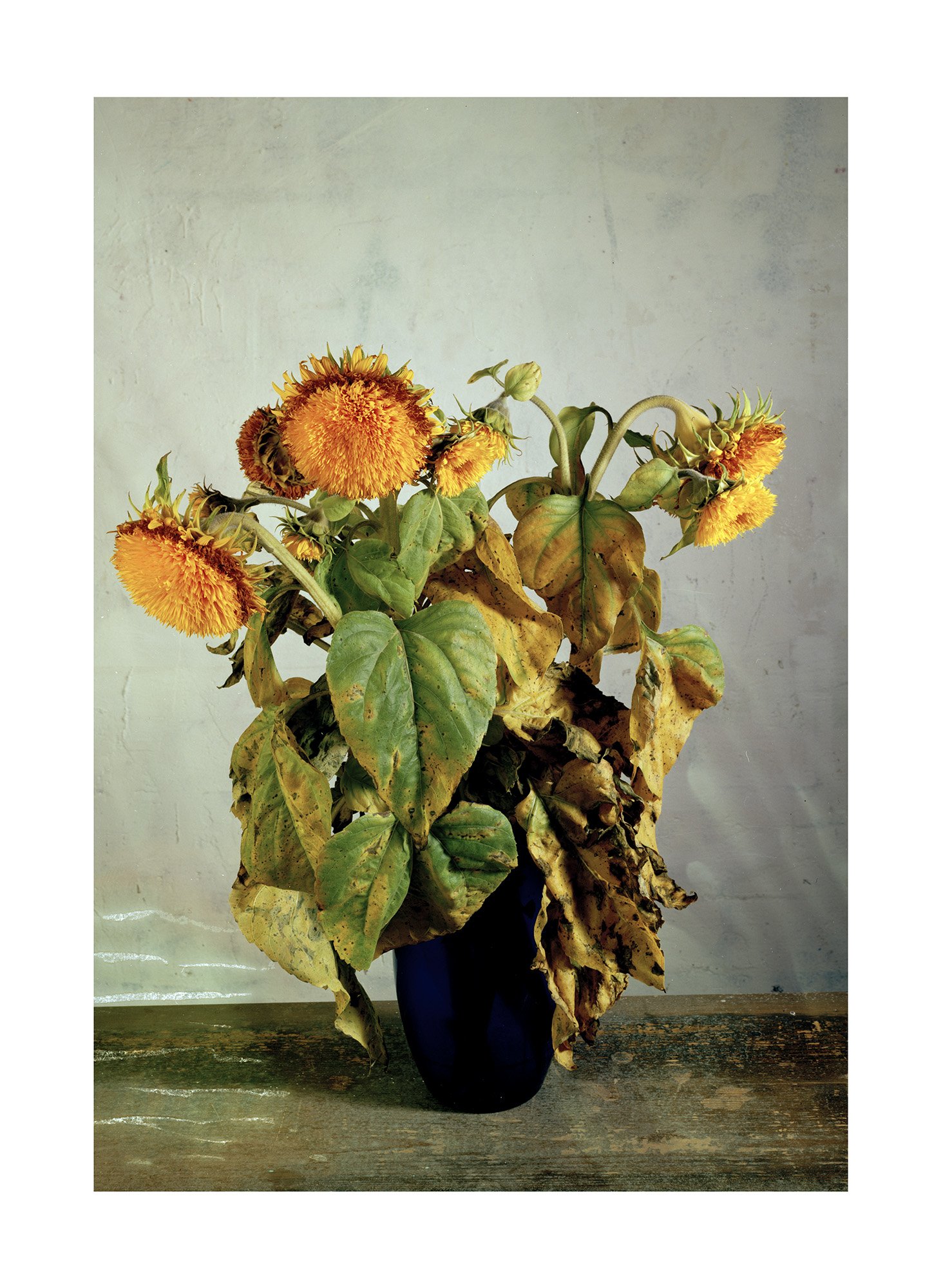
Fate in a Vase 4, 240 x 180 cm, 1997
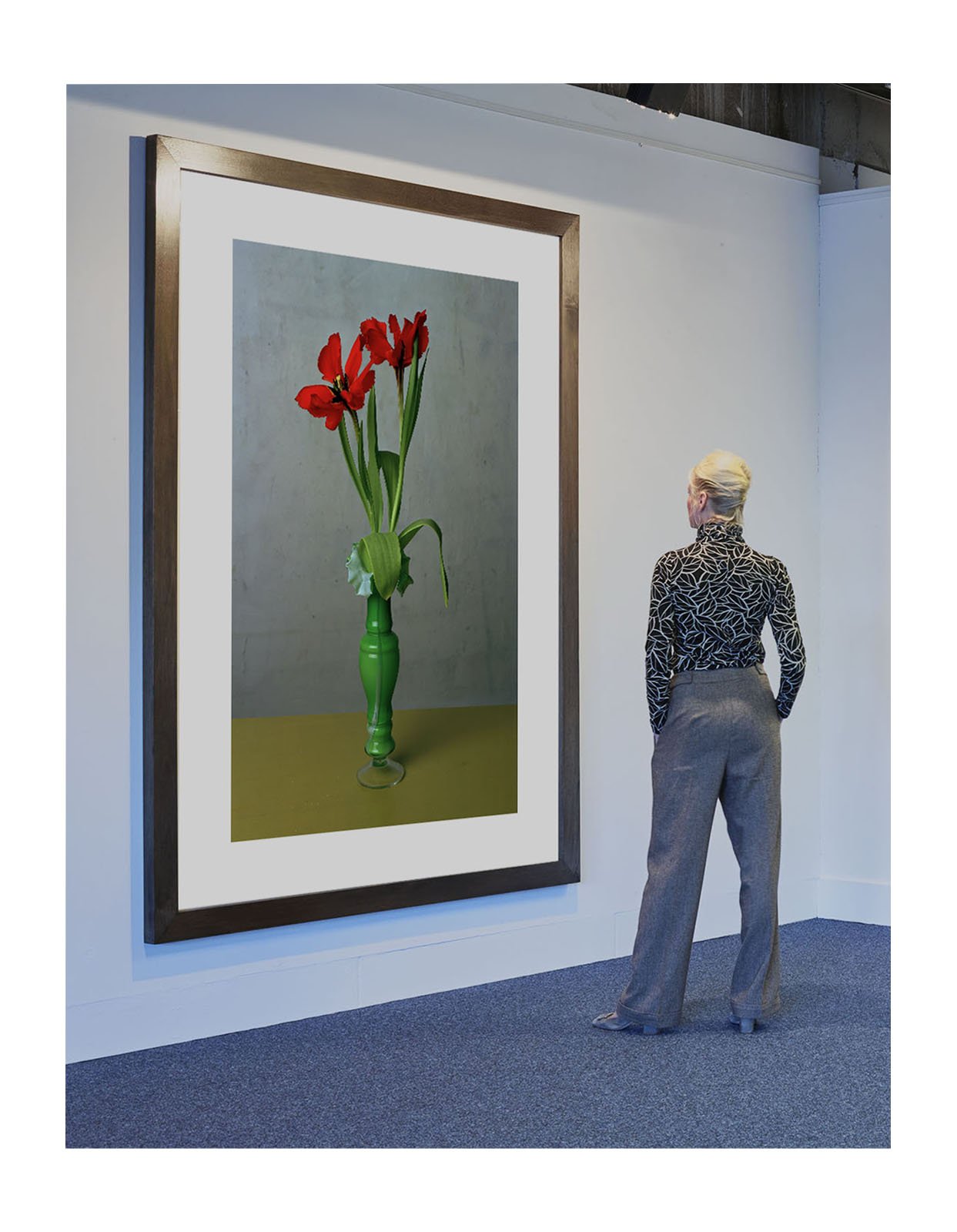
Fate in the Vase
In this series, Kris Scholz turns his attention to the captivating world of flowers. His large-format works, produced with technical precision and artistic sensibility, are at times loud and strident, yet at the same time of breathtaking beauty. In his floral still lifes, he succeeds in creating a world in which nature and art merge artificially — into something new that appears familiar on the one hand, yet thoroughly ironic and estranged on the other. With photographic meticulousness, Scholz models blossoms and vases in carefully controlled light that accentuates every detail, lending the images an almost sculptural quality.
The vases — often quirky, occasionally bordering on the tasteless — become protagonists in their own right beneath his lens. They appear to converse with the flowers, merging with them in an artificial dialogue. What, in its natural setting, is a final seductive flourish against inevitable death acquires permanence in Scholz's pictorial language. The moment between blossoming and wilting, between beauty and decay, is declared a staged eternity.
Yet Scholz is not concerned with an illusionistic depiction of reality — the ideal, say, of Dutch still-life painting. Rather, he pushes reality to its extreme. The hyperreality of his photographs overwhelms the senses and awakens unfamiliar associations. Are his images really nothing more than floral still lifes? Or do they conceal symbolic reflections on human character?
The latter seems likely, for Scholz is a connoisseur of art-historical imagery — and knows how to subvert it with irony. This sense of rupture runs through his entire œuvre. In the juxtaposition of nature and the man-made — the blossoms and the vases — the latter invariably comes off worse. Human reflection, concept and design pit themselves against the incomparable grace of nature, and are defeated.
Scholz's signature is particularly evident in his rose images. Set against garishly monochrome backgrounds, the blooms glow in yellow, pink or red — an aesthetic duel in which neither side gives ground. The artificial colouring is intensified to the threshold of pain, a subtle interplay between surface and form, between flatness and depth. The images feel charged, almost overwrought — and therein lies their power.
Scholz does not shy away from kitsch — he deliberately courts it. His pictures quote old-fashioned Italian greeting cards, exaggerating their motifs and pushing them towards the grotesque. It is a tongue-in-cheek game with bad taste, a calculated excess that nevertheless aims deep beneath the surface.
Kris Scholz's work is an invitation to engage — with beauty, with transience, with questions of perception and meaning. Where does kitsch begin? When does irony become earnestness? His images offer no direct answers. But they pose the right questions — and do so in an utterly seductive manner. "My photographs are less depictions than invitations to see the familiar anew," explains the Emeritus Professor of Artistic Photography.